There’s something magical about watching a toddler discover the joy of a rain puddle. That gleeful stomp, the splash of water, the uncontainable giggles—it’s childhood in its purest form. But as any parent knows, that magic quickly fades when you’re dealing with a cold, soaked child and the impending sniffles that follow. While raincoats and boots often get top billing in the toddler weather-gear lineup, the unsung hero of dry, happy puddle-jumping adventures is the waterproof rain hat. As we look toward 2026’s innovations in children’s outdoor gear, understanding what separates a mediocre hat from a truly exceptional one has never been more critical for parents who want to nurture their little ones’ love of nature without sacrificing comfort or health.
The modern waterproof rain hat has evolved far beyond the simple plastic bonnets of decades past. Today’s designs incorporate advanced textile technology, child-specific ergonomics, and safety features that account for everything from a toddler’s disproportionately large head-to-body ratio to their inexplicable ability to find the only mud patch in a five-mile radius. Whether you’re navigating the misty Pacific Northwest, sudden Midwest downpours, or East Coast nor’easters, the right rain hat becomes an essential tool in your parenting arsenal—one that keeps your child protected, visible, and ready for adventure.
Top 10 Waterproof Rain Hats for Toddlers
Detailed Product Reviews
1. JAN & JUL Waterproof Rain Hat, Quick Dry Hat with Wide Brim for Toddlers (L: 2-5 Years, Yellow)

Overview: The JAN & JUL Waterproof Rain Hat is a purpose-built weather shield designed specifically for active toddlers aged 2-5 years. This yellow rain hat combines serious protection with child-friendly features, making it ideal for wet and cold outdoor adventures. The hat employs a Bionic-Finish DWR coating with a reinforced waterproof membrane and fully taped seams, ensuring genuine 100% waterproof performance rather than mere water resistance.
What Makes It Stand Out: This hat’s standout feature is its comprehensive safety-first design. The break-away chinstrap clip prevents choking hazards, while the wire-reinforced brim allows customizable shaping that stays put when folded up for better visibility. The fleece lining provides warmth down to freezing temperatures (0°C/32°F), and the adjustable chinstrap combined with rear elastic ensures a secure fit during growth spurts. The wide brim offers superior face and neck protection from driving rain.
Value for Money: At $23.99, this hat delivers excellent value for parents seeking reliable, season-extending gear. The multi-season adaptability, robust construction, and safety features justify the price point compared to cheaper alternatives that lack proper waterproofing or safety mechanisms. It effectively replaces separate rain and cool-weather hats.
Strengths and Weaknesses: Strengths: True waterproof protection; safety break-away clip; adjustable fit system; wire-reinforced brim; cozy fleece lining; excellent coverage. Weaknesses: Limited to ages 2-5; specialized design may be overkill for mild climates; brim wire requires gentle handling to maintain shape.
Bottom Line: For parents in wet, cool climates, this is a top-tier investment that prioritizes safety and performance. The JAN & JUL hat earns its price through thoughtful engineering and genuine weather protection, making it highly recommended for serious outdoor play.
2. AWHA Souwester, Rain Hat Yellow/Unisex - Waterproof Cap with Wide Brim and Earflaps

Overview: The AWHA Souwester revives the classic maritime rain hat design for modern outdoor enthusiasts of all ages. This unisex yellow waterproof cap features an intelligently engineered brim that’s wider at the back to protect the neck and narrower at the front to maintain clear vision. Designed for universal fit, it accommodates both adults and children through its conical shape and adjustable chinstrap.
What Makes It Stand Out: The souwester’s asymmetrical brim design demonstrates superior functional thinking, addressing the common problem of rain running down the collar. The foldable earflaps with breathable fleece lining transform this from a simple rain hat into a four-season accessory suitable for cold-weather use. Its packable construction means it can be stowed in a bag or pocket, making it perpetually available for unexpected weather changes during hiking, sailing, or fishing trips.
Value for Money: Priced at $24.99, this hat offers exceptional versatility that spans age groups and seasons. While slightly more expensive than basic rain hats, its universal sizing eliminates the need for multiple purchases as children grow, and its dual rain/winter functionality provides year-round utility, effectively delivering two hats for the price of one.
Strengths and Weaknesses: Strengths: Innovative brim design; unisex universal sizing; packable and portable; earflaps for winter use; adjustable secure fit; multi-season versatility. Weaknesses: “Universal fit” may be too large for very small children; traditional souwester style may not appeal to fashion-conscious kids; no specified safety features for young children.
Bottom Line: The AWHA Souwester is a smart, versatile choice for families seeking one hat that does it all. Its functional design and year-round utility make it an excellent value for active outdoor households.
3. ScarvesMe Children Kids Girl 2-7 Years Waterproof Shiny Rain Bucket Cap Hat Yellow

Overview: The ScarvesMe Shiny Rain Bucket Hat targets style-conscious young girls with its glossy, fashion-forward aesthetic. Marketed for ages 2-7, this 100% polyester bucket hat prioritizes appearance over technical specifications, offering a waterproof claim without detailed construction information. The design focuses on creating “social media worthy outfits” rather than serious weather performance.
What Makes It Stand Out: This hat’s primary distinguishing characteristic is its shiny, eye-catching finish that differentiates it from traditional matte rain gear. The bucket hat silhouette provides a modern, urban look that complements various outfits beyond just rainwear. Its broad age range (2-7 years) offers extended usability compared to more precisely sized alternatives.
Value for Money: At $26.99, this is the most expensive option reviewed, yet delivers the least technical value. The price premium appears tied to aesthetic appeal rather than performance features. Without specified waterproof ratings, lining details, or safety features, it competes poorly against similarly priced hats offering genuine weather protection and child-specific engineering.
Strengths and Weaknesses: Strengths: Fashionable shiny appearance; versatile bucket hat style; broad age range; lightweight construction. Weaknesses: No safety chinstrap; unspecified waterproofing technology; no insulation for cold weather; vague sizing; expensive for basic polyester construction; minimal practical details.
Bottom Line: This hat suits dry-weather fashion purposes or very light drizzle only. For families needing reliable rain protection, it’s an overpriced style piece that fails to address basic functionality and safety needs. Not recommended for serious outdoor use.
4. BAVST Winter Trapper Hat for Boys Girls Waterproof Warm Baby Toddler Ushanka Fleece Beanie Hats for 6M-6T (US, Age, 2 Years, 4 Years, Colorful Dinosaur)
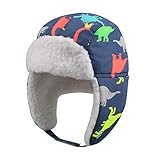
Overview: The BAVST Winter Trapper Hat is a comprehensive cold-weather solution disguised as playful children’s headwear. Available in sizes from 6 months to 6 years, this dinosaur-printed ushanka-style hat combines water-repellent, windproof fabric with serious insulation. The design features granular velvet lining for breathability on the crown and berber fleece on the earflaps for maximum warmth, creating a temperature-appropriate solution for winter adventures.
What Makes It Stand Out: This hat excels through its meticulous sizing system (S through XL with specific age and head circumference guidance) and adorable, trend-aware designs featuring dinosaurs, sharks, and mermaids. The hook-and-loop chin strap provides a secure, adjustable fit without the potential hazards of cord adjusters for very young children. The earflaps extend sufficiently to protect cheeks, ears, and chin—crucial for preventing frostbite during snow play.
Value for Money: At $17.99, this represents outstanding value. The combination of proper sizing options, dual-layer insulation, water-repellent treatment, and charming designs at this price point undercuts most competitors while delivering superior cold-weather performance. It’s an accessible entry point to quality winter gear.
Strengths and Weaknesses: Strengths: Excellent price point; precise sizing from infant to child; hook-and-loop safety closure; full ear/neck coverage; adorable design options; warm dual-material lining; water-repellent exterior. Weaknesses: May be too warm for mild rainy days; requires head measurement for best fit; hook-and-loop may wear over time; limited colorways per design.
Bottom Line: The BAVST trapper hat is a winter essential that brilliantly balances affordability, functionality, and fun. For cold-weather protection, it’s the best value proposition available and highly recommended for families in snowy climates.
5. JINS CLOSET Children Kids Girl 2-9 Years Waterproof Shiny Rain Bucket Cap Hat

Overview: The JINS CLOSET Shiny Rain Bucket Hat mirrors the fashion-first approach of similar bucket-style rain hats but extends the age range to 2-9 years. This 100% polyester hat emphasizes aesthetic versatility, promising to complement various outfits while providing basic waterproof functionality. The design targets parents seeking affordable, cute rain accessories rather than high-performance weather gear.
What Makes It Stand Out: The extended age range (2-9 years) provides better longevity than competitors limiting at age 7. The shiny finish and bucket silhouette maintain fashion appeal, while the brand’s broader accessory line suggests coordination possibilities with other items like scarves and boot cuffs. The hat positions itself as an everyday fashion accessory rather than specialized equipment.
Value for Money: At $19.99, this offers slightly better value than similar shiny bucket hats, though still prioritizing style over substance. The price reflects basic construction without advanced features, making it reasonable for a fashion accessory but marginal for serious rain protection. It competes in the impulse-buy category rather than essential gear.
Strengths and Weaknesses: Strengths: Extended age range; fashionable shiny appearance; lower price than comparable style hats; lightweight; coordinates with other accessories. Weaknesses: No chinstrap or safety features; unspecified waterproofing standards; no insulation; minimal technical details; questionable durability in heavy rain; one-size approach may fit poorly at age extremes.
Bottom Line: This hat works as a cute, occasional rain accessory for mild conditions but shouldn’t be relied upon for serious weather protection. It’s a fashion piece with limited functional value—acceptable for the price if style is the primary concern, but not a substitute for proper rain gear.
6. Toutacoo, Adjustable Bucket Rain Hat, Nylon-Look (032-Yellow/M-L)

Overview:
The Toutacoo Adjustable Bucket Rain Hat delivers practical wet-weather protection in a classic, unisex design. Constructed from windproof nylon-look material, this lightweight hat features a discreet drawstring adjustment system that ensures a secure fit for head circumferences between 22.6 and 23.5 inches (M/L size). The 1.95-inch brim provides adequate coverage without obstructing vision, making it suitable for daily commutes, hiking, or travel.
What Makes It Stand Out:
This hat’s primary advantage lies in its packable, lightweight construction that folds effortlessly into bags without losing shape. The integrated drawstring offers customization rarely found in traditional bucket hats, preventing gusts from stealing it away. Its unisex aesthetic appeals to broad style preferences, while the windproof material blocks chilling breezes effectively. The discreet adjustment mechanism maintains the hat’s clean silhouette while delivering functional security.
Value for Money:
At $14.90, this hat sits comfortably in the budget-friendly category for specialized rain gear. Comparable windproof hats often retail for $20-30, making this an accessible entry point. The durable nylon-look fabric and reinforced stitching suggest longevity beyond its price point, offering solid return on investment for occasional to moderate use.
Strengths and Weaknesses:
Strengths include excellent packability, effective wind resistance, adjustable fit, and lightweight comfort. The unisex design broadens its appeal across users. Weaknesses center on the modest brim width, which may not provide sufficient coverage in heavy downpours, and sizing limitations—the M/L range may exclude those with smaller or larger heads. The nylon aesthetic, while practical, lacks the premium feel of natural fabrics.
Bottom Line:
The Toutacoo Bucket Rain Hat excels as a travel-friendly, functional accessory for light to moderate rain. Ideal for commuters and outdoor enthusiasts seeking packable protection without bulk, though those needing serious downpour coverage should consider wider-brimmed alternatives.
7. JAN & JUL Softshell Winter Cap with Ear Flaps, Breathable Winter Hats for Toddlers (L: 2-5 Years, Black)

Overview:
The JAN & JUL Softshell Winter Cap with Ear Flaps provides toddlers aged 2-5 years with targeted protection against winter elements. Engineered with a water-resistant Bionic Finish DWR coating and windproof high-density fabric, this cap maintains warmth down to 0°C/32°F. The firm brim shields faces from precipitation and sun, while full polar fleece lining ensures cozy comfort during active play.
What Makes It Stand Out:
This cap’s versatility shines through its flip-up ear flaps, adapting to changing temperatures and activities without removal. The adjustable elastic drawstring at the back creates a custom fit that grows with your child, addressing the rapid growth patterns of toddlers. The breathable softshell construction prevents overheating during energetic outdoor sessions—a common issue with insulated winter gear.
Value for Money:
Priced at $21.99, this cap represents mid-range value for premium technical features. The Bionic Finish coating and multi-layer construction rival adult outdoor gear, while the growth-adjustment feature extends usability across multiple seasons. Comparable toddler winter hats with similar technical specifications typically range from $25-35, positioning this as a cost-effective choice for quality-conscious parents.
Strengths and Weaknesses:
Major strengths include superior wind and water resistance, breathable design that prevents sweat buildup, secure fit system, and versatile ear flap configuration. The temperature rating provides realistic expectations for moderate cold. Weaknesses include limited insulation for sub-freezing extremes and potential sizing challenges for children at the upper end of the 2-5 year range. The firm brim, while protective, may feel stiff for some toddlers.
Bottom Line:
An excellent choice for active toddlers in moderate winter climates. The JAN & JUL cap balances protection, breathability, and adaptability perfectly for fall and mild winter play, though families in harsh winter regions may need additional insulation for extreme cold.
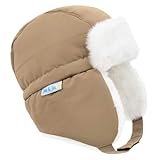
8. JAN & JUL Waterproof Insulated Winter Hat with Faux Fur Lining for Baby Boys and Girls (Soft Brown, Size S)
Overview:
The JAN & JUL Waterproof Insulated Winter Hat offers serious cold-weather defense for babies and toddlers, featuring a synthetic trapper-style design with Thinsulate lining and plush faux fur ear flaps. The water-repellent, windproof shell blocks harsh elements while the vegan fur lining creates a cozy microclimate around delicate ears. Available in size S with thoughtful adjustment mechanisms, this hat prioritizes both warmth and comfort.
What Makes It Stand Out:
Thinsulate insulation provides exceptional warmth-to-weight ratio without the bulk of traditional materials, crucial for maintaining infant mobility. The smart dual-adjustment system—toggle at the crown and hook-and-loop chin strap—ensures a secure, customized fit as children grow. For smaller babies, the elasticized version eliminates uncomfortable buckles when lying down, demonstrating thoughtful design consideration for different developmental stages.
Value for Money:
At $23.99, this hat commands a slight premium over basic winter hats but justifies it through technical insulation and multi-season adaptability. Thinsulate-equipped children’s hats typically retail for $30-40, making this competitively priced. The machine-washable, soil-repellent fabric reduces maintenance costs and extends lifespan, enhancing long-term value for growing families.
Strengths and Weaknesses:
Strengths include premium insulation performance, dual adjustability for growth, soft faux fur comfort, genuine water resistance, and practical machine-washable care. The trapper design offers maximum ear and neck coverage. Weaknesses involve potential over-insulation for mild winter days, causing overheating, and the faux fur’s potential to mat after repeated washing. The price point may exceed budgets for fast-growing infants who outgrow items quickly.
Bottom Line:
Ideal for families facing harsh winters or extended outdoor exposure. The JAN & JUL Insulated Hat delivers adult-level technical performance in child-friendly sizing, making it worth the investment for cold climate dwellers, though less necessary for mild regions.
9. Sarfel Baby Girl Winter Hat Baby Winter Hats 12-18 Months Toddler Winters Hats Toddler Girl Winters Hat 2T Toddlers Beanies 2T

Overview:
The Sarfel Baby Winter Hat employs a comprehensive three-layer defense system for infants and toddlers, combining a waterproof outer shell with sherpa fleece lining and strategic warm stuffing. Designed for children from 6 months to 8 years across four sizes, this unisex trapper hat prioritizes maximum thermal retention for extended snow play. The adjustable buckle on ear flaps ensures a windproof seal around the head and neck.
What Makes It Stand Out:
The triple-layer construction distinguishes this hat from standard two-layer designs, adding dedicated insulation between shell and lining for enhanced warmth without excessive bulk. Professional-grade waterproof fabric withstands prolonged snow exposure, making it suitable for skiing and snowman building. Full-length ear flaps provide complete coverage, while multiple size options and colorways accommodate growing children and style preferences.
Value for Money:
At $18.98, this hat delivers impressive technical specifications at a budget-conscious price point. Three-layer waterproof winter hats typically command $25-35, positioning Sarfel as an exceptional value. The extended size range (6 months to 8 years) allows families to purchase once and size up, spreading cost over multiple seasons and children.
Strengths and Weaknesses:
Strengths include robust three-layer warmth, true waterproof protection, extensive sizing options, adjustable secure fit, and versatile unisex styling. The sherpa lining provides luxurious softness against sensitive skin. Weaknesses include increased bulk that may feel heavy for some toddlers, and the buckle adjustment could create pressure points if overtightened. The hat’s focused winter design limits shoulder-season versatility.
Bottom Line:
A top-tier budget choice for serious winter protection. The Sarfel hat excels in harsh conditions and active snow play, offering premium features at an accessible price. Perfect for families seeking maximum warmth without premium cost, though its bulkiness may not suit all children.
10. Connectyle Kids Waterproof Beach Pool Hat UPF 50+ Sun Protection Bucket Hat Toddler Orange 2-4 Years

Overview:
The Connectyle Kids Waterproof Beach Pool Hat delivers specialized sun protection with UPF 50+ fabric that blocks 98% of UVA/UVB rays for children aged 2-4 years. The 3-inch wide brim shields face, head, and neck during water activities, while water-repellent nylon construction ensures quick drying. A breathable mesh crown panel prevents overheating, making this hat ideal for hot weather adventures.
What Makes It Stand Out:
This hat’s dual-purpose design addresses both sun and water exposure—common combinations at beaches and pools. The detachable chinstrap provides wind security without permanent attachment, while the adjustable toggle at the back accommodates growth spurts. Packability stands out; the soft brim rolls easily for travel, and the lightweight construction won’t weigh down diaper bags or backpacks.
Value for Money:
At $9.99, this hat offers exceptional affordability for specialized UV protection. Comparable UPF 50+ children’s hats typically range from $15-25, making Connectyle a budget-friendly essential. The water-repellent feature adds value beyond standard sun hats, effectively serving multiple outdoor scenarios from beach trips to backyard sprinklers.
Strengths and Weaknesses:
Strengths include certified UPF 50+ protection, water-repellent quick-dry fabric, adjustable secure fit, breathable mesh ventilation, and excellent packability. The detachable chinstrap offers versatility. Weaknesses include limited cold-weather applicability and a soft brim that may flop in strong winds. The sizing runs small, potentially excluding larger toddlers, and the hand-wash care requirement demands more maintenance than machine-washable alternatives.
Bottom Line:
An essential summer accessory for sun-sensitive toddlers. The Connectyle hat provides professional-grade UV protection at an unbeatable price, excelling in water-centric activities. Ideal for beach vacations and outdoor summer play, though families should purchase true winter hats for cold-weather needs.
Why Waterproof Rain Hats Are Essential for Active Toddlers
Toddlers lose heat through their heads more rapidly than adults—a fact that transforms a simple rain hat from a cute accessory into a critical piece of protective equipment. When your little one is fully immersed in puddle-jumping ecstasy, they’re not thinking about the steady drizzle saturating their hair and dripping down their neck. That’s where a properly designed waterproof hat steps in, creating a microclimate of comfort that extends playtime while protecting against the chill that can lead to discomfort or even hypothermia in cooler conditions.
The Science Behind Toddler Heat Regulation
Children under three have heads that represent approximately 25% of their total body surface area, compared to just 9% in adults. This disproportion means that an uncovered head can account for up to 60% of total body heat loss in cold, wet conditions. Their developing thermoregulatory systems haven’t yet mastered the efficient vasoconstriction that helps adults conserve core temperature. A high-quality waterproof rain hat acts as a thermal barrier, trapping warm air while repelling moisture—a dual function that’s essential when your toddler is simultaneously generating heat through vigorous activity and being cooled by environmental moisture.
Beyond the Hood: Why Separate Rain Hats Matter
While many toddler raincoats feature attached hoods, standalone rain hats offer superior functionality for serious puddle enthusiasts. Hoods can obstruct peripheral vision—a safety concern when your toddler is navigating slippery surfaces. They also tend to funnel rainwater directly onto the face when a child looks down at their splashing target. A dedicated rain hat with a properly structured brim channels water away from the face and eyes, maintaining clear sightlines and preventing the frustration that cuts adventures short. Additionally, separate hats allow for quick adjustments and can be removed independently when the rain stops, preventing the overheating that often occurs when a full raincoat must stay on just to keep the hood available.
Key Waterproofing Technologies Explained
The term “waterproof” gets thrown around liberally in children’s gear marketing, but not all waterproofing is created equal. Understanding the technical specifications helps you cut through the jargon and select a hat that will actually keep your toddler dry during extended outdoor play.
Understanding Waterproof vs. Water-Resistant
Water-resistant hats can handle light mist or brief exposure but will eventually saturate during sustained rain or enthusiastic puddle splashing where water comes from below as well as above. Truly waterproof hats for 2026 achieve protection through either a waterproof membrane laminated to the fabric interior or a proprietary coating that seals every fiber. Look for hats rated with a hydrostatic head measurement of at least 5,000mm—this means the fabric can withstand a 5-meter column of water before moisture penetrates. For active puddle-jumpers, aim for 10,000mm or higher, as the pressure from splashing can exceed that of falling rain.
Breathability: The Hidden Factor
Here’s where many parents get caught off guard: a completely impermeable barrier creates its own problems. Non-breathable waterproof hats trap heat and sweat, leaving your toddler’s head damp from perspiration rather than precipitation. Modern waterproof-breathable technologies allow water vapor molecules (sweat) to escape while blocking liquid water (rain). For toddler gear, this is non-negotiable. A hat that can’t breathe will be ripped off within minutes, defeating its purpose entirely. The best designs for 2026 incorporate microporous membranes with pore sizes small enough to block water droplets but large enough to let vapor pass through.
Material Matters: What to Look For
The fabric composition of your toddler’s rain hat determines not just waterproof performance but also durability, comfort, and safety. As we move into 2026, material innovation has shifted toward more sustainable, child-friendly options that don’t compromise on protection.
PVC-Free Options for Sensitive Skin
Traditional waterproof gear often relied on PVC (polyvinyl chloride) for its impermeable properties, but this material raises concerns for developing bodies. PVC can contain phthalates—chemicals linked to endocrine disruption—and its production releases dioxins. Fortunately, 2026’s top-tier toddler rain hats have moved toward TPU (thermoplastic polyurethane) laminations or PFC-free DWR (durable water repellent) coatings. These alternatives provide equal or superior waterproofing without exposing sensitive skin to potentially harmful chemicals. For toddlers with eczema or especially sensitive skin, hats lined with organic cotton or bamboo jersey create a protective barrier between the waterproof layer and delicate scalps.
Sustainable and Eco-Friendly Materials
The push toward sustainability has revolutionized children’s outdoor gear. Recycled ocean plastics are being transformed into high-performance waterproof fabrics with a 75% lower carbon footprint than virgin materials. Some manufacturers are now using solution-dyed processes where pigment is added during fiber extrusion, eliminating the water pollution associated with traditional dyeing. For the eco-conscious parent, look for certifications like bluesign® approved fabrics or Global Recycled Standard (GRS) labels. These hats not only protect your child from rain but also contribute to a healthier planet for their future adventures.
Fit and Comfort: The Non-Negotiables
A rain hat that doesn’t fit properly is a rain hat that won’t stay on—it’s that simple. Toddler cooperation is a finite resource, and uncomfortable gear drains it rapidly. The ergonomics of children’s headwear require specific design considerations that differ significantly from adult sizing.
Adjustable Sizing for Growing Heads
The average toddler’s head circumference grows approximately 2-3 centimeters every six months during the critical 18-month to 3-year age range. A hat that fits perfectly in September may be uncomfortably tight by spring. The most parent-friendly designs incorporate multi-point adjustment systems—typically a combination of elasticized crowns, hook-and-loop straps, and toggle systems at the back. This allows the hat to grow with your child over multiple seasons. Look for hats offering at least 4-6 centimeters of adjustability in circumference. Some innovative 2026 designs even feature removable inner bands that can be swapped out as your child’s head grows, extending the usable life from 18 months to 4 years.
Chin Strap Safety and Security
The eternal struggle: keeping a hat on a toddler who wants it off. Chin straps solve this problem but introduce new safety considerations. The best designs feature breakaway safety clips that release under 3-5 pounds of pressure, preventing strangulation hazards if the hat gets caught on playground equipment or tree branches. The strap material matters too—soft, moisture-wicking neoprene or fleece-covered elastic prevents the chafing and irritation that can make a child dread wearing the hat. Width is also crucial; straps narrower than ½ inch can dig into delicate skin, while those wider than ¾ inch may interfere with neck movement.
Design Features That Make a Difference
Beyond basic waterproofing and fit, thoughtful design elements transform a functional rain hat into an indispensable piece of gear that both you and your toddler will reach for without hesitation.
Brim Width and Coverage
The optimal brim width for toddler rain hats strikes a balance between protection and practicality. A brim extending 2-2.5 inches from the crown provides adequate face and neck coverage without obstructing upward vision or catching the wind. For serious puddle-jumpers, look for hats with extended back brims or drop-down neck capes—sometimes called “storm flaps”—that protect the collar area where raincoats often gap. The brim’s rigidity is equally important; too stiff, and it won’t pack down in your bag. Too floppy, and it collapses under heavy rain, dumping water instead of shedding it. The sweet spot is a flexible wire or high-density foam insert that maintains shape while allowing the hat to be folded for storage.
Visibility and Reflective Elements
Grey, drizzly days reduce visibility for drivers and caregivers alike. High-quality toddler rain hats for 2026 integrate 360-degree reflective elements—piping around the brim, logos, or striping—that activate in headlights from any angle. Some manufacturers are incorporating phosphorescent materials that glow in low light without needing an external light source, providing an extra layer of safety during those early evening puddle sessions after daycare. Bright, high-contrast colors like neon yellow, coral, or turquoise improve daytime visibility while being more appealing to toddlers than traditional yellow rain gear.
Seasonal Considerations for Year-Round Use
The best value in toddler gear comes from versatility. A rain hat that only works during warm spring showers is a single-season investment. Forward-thinking designs accommodate the full spectrum of weather your adventurous toddler will encounter.
Lined vs. Unlined Options
Unlined waterproof hats excel in temperatures above 60°F, providing rain protection without overheating. For cooler climates or year-round use, removable linings offer the ultimate flexibility. Fleece linings add warmth for 40-60°F temperatures, while insulated quilted linings extend usability into near-freezing conditions. The key is that the lining must be completely removable for washing—because it will get sweaty—and should attach via hidden snaps or zippers that don’t compromise the waterproof barrier. Some 2026 innovations include reversible designs where the lining becomes a standalone sun hat when flipped inside out, essentially giving you two hats for the price of one.
UV Protection for Sunny Showers
Paradoxically, some of the highest UV exposure occurs during partly cloudy conditions when reflective water surfaces amplify radiation. Modern waterproof rain hats increasingly incorporate UPF (Ultraviolet Protection Factor) ratings into their fabric construction. A UPF 50+ rating blocks 98% of harmful rays, protecting your toddler’s scalp, face, and ears during those unpredictable weather days when sunshine and rain alternate. This dual functionality means the hat transitions seamlessly from spring showers to summer water play, justifying its place in your everyday diaper bag rather than the seasonal storage bin.
Care and Maintenance Longevity
A premium rain hat represents an investment, and proper care can extend its functional life through multiple children or seasons. The waterproofing technologies that make these hats effective require specific maintenance protocols that differ from standard laundry routines.
Cleaning Without Compromising Waterproofing
The nemesis of waterproof coatings is harsh detergent. Standard laundry soaps leave residues that clog the micropores essential for breathability, while fabric softeners create a film that actually attracts water rather than repelling it. Clean rain hats with a specialized technical wash designed for waterproof-breathable garments, using warm (not hot) water and a gentle cycle. For mud splatters—inevitable with puddle-jumping—pre-treat with a soft brush and mild soap solution on the affected area only. Never use bleach, and avoid machine drying unless the manufacturer specifically approves it; high heat can delaminate waterproof membranes and melt seam tapes.
Storage Tips for Off-Season
How you store a rain hat during dry months determines its performance when the clouds return. Always ensure the hat is completely dry before storage—trapped moisture leads to mildew that can compromise both waterproofing and your child’s health. Store loosely packed rather than compressed; creases can crack waterproof coatings over time. Avoid attics or garages where temperature extremes accelerate material degradation. Instead, hang on a hook in a closet or place on a shelf in a breathable cotton bag. Tossing in a few silica gel packets absorbs ambient moisture and prevents that musty smell that plagues forgotten gear.
Budgeting for Quality: What to Expect
The children’s gear market spans from bargain-bin disposable options to premium heirloom-quality pieces. Understanding the price-value relationship helps you make an informed decision that balances your budget with your child’s needs.
Price vs. Durability Analysis
Entry-level waterproof toddler hats ($10-20) typically use PVC or basic polyurethane coatings that crack after a season of folding, stuffing in bags, and repeated washing. Mid-range options ($25-40) introduce breathable membranes and better adjustability, often lasting through two children with proper care. Premium hats ($45-75) justify their price through multi-season versatility, sustainable materials, and warranties that guarantee performance. When calculating true cost, divide the price by the number of months you expect to use it. A $60 hat worn for 24 months costs $2.50 per month—less than a coffee and far less than a doctor’s visit for a rain-induced cold.
Warranty and Return Policies
Reputable manufacturers stand behind their waterproof claims with solid warranties. Look for at least a one-year guarantee against defects in materials and workmanship, with some premium brands offering two-year coverage. More importantly, check the return policy regarding fit issues. The best companies allow returns even after brief trial wears, recognizing that a toddler’s opinion can’t be gauged in a store. Some 2026 policies even include “growth spurt protection,” allowing size exchanges within the same season if your child outgrows the hat faster than expected. Keep all tags and packaging until you’re certain the hat passes your toddler’s rigorous field testing.
Frequently Asked Questions
How do I measure my toddler’s head for a rain hat?
Use a flexible measuring tape positioned just above the eyebrows and ears, where the hat’s brim will sit. Measure twice for accuracy, and consult each brand’s specific sizing chart—there’s surprising variation between manufacturers. When in doubt, size up; most quality hats include enough adjustability to accommodate a slightly larger measurement.
At what age should my toddler start wearing a waterproof rain hat?
Once your child can walk steadily and shows interest in outdoor play—typically around 12-18 months—a rain hat becomes valuable. Before this age, stroller canopies and carrier covers suffice. The key milestone is independent mobility, as this is when they begin experiencing rain directly rather than through a protective barrier.
Can my toddler wear a rain hat over a winter beanie?
Yes, but choose an unlined hat sized to accommodate the extra layer. Look for styles with expansion panels or generous crown height. Avoid compressing a thick beanie under a tight-fitting hat, as this reduces insulation effectiveness and creates uncomfortable pressure points.
How often should I re-waterproof my toddler’s rain hat?
With proper washing, the factory DWR coating should last 20-30 wears. When water stops beading and starts soaking into the fabric surface, it’s time to re-treat. Use a PFC-free spray-on treatment designed for breathable fabrics, applying to a clean, dry hat and heat-activating with a hair dryer on low setting.
What’s the difference between a rain hat and a sun hat with water resistance?
Sun hats prioritize UV protection with minimal water resistance—enough for brief splashing but not sustained rain. True rain hats feature full waterproof membranes, sealed seams, and structured brims designed for precipitation. While crossover exists, each excels in its primary environment.
Are darker or lighter colors better for toddler rain hats?
Light colors improve visibility in gloomy conditions and show less fading. However, they show dirt more readily. Dark colors hide grime but absorb more heat on sunny days and can be less visible. The best compromise is a bright, mid-tone color like coral, teal, or lime with reflective elements for visibility.
How do I convince my toddler to keep their rain hat on?
Involve them in the selection process, letting them choose between approved options. Model wearing your own rain hat enthusiastically. Start with short, fun outings where the hat is associated with positive experiences. Never force it—build positive associations gradually. Some parents find success with “hat breaks” where the child can remove it for a minute after keeping it on for a set period.
Can rain hats be repaired if torn?
Small tears in the fabric can be patched with waterproof repair tape designed for outdoor gear. Clean the area thoroughly, round the corners of the patch to prevent peeling, and apply pressure evenly. However, tears in the brim structure or delaminated waterproof membranes typically require professional repair or replacement.
Do I need a separate rain hat if my toddler’s coat has a hood?
For occasional light rain, a hood suffices. For dedicated puddle-jumping or extended outdoor play in wet conditions, a separate hat provides superior protection, visibility, and comfort. Many parents use both—hat for active play, hood for passive activities like stroller rides.
What’s the typical lifespan of a quality toddler rain hat?
With proper care, a mid-range to premium hat should last through two full rainy seasons or two children. The limiting factor is usually growth rather than wear. Waterproofing technology can remain effective for 3-5 years if maintained correctly, making these hats excellent candidates for hand-me-downs or resale.