If you’ve ever watched your toddler dissolve into tears because their pants “feel funny,” you’re not alone. The battle over bottoms is a daily reality for parents of sensory-sensitive children, where something as simple as getting dressed can trigger a meltdown that derails an entire morning. While the world of sensory-friendly clothing has expanded dramatically, bottoms and leggings present unique challenges that require a deeper understanding than just “soft fabric.”
The truth is, toddlers experience clothing differently than we do. Their developing nervous systems are actively building neural pathways, making them hyper-aware of textures, pressure, and movement in ways adults have long learned to tune out. A waistband that feels barely noticeable to you might register as a constant, irritating pressure to them. Seams that seem flat could feel like ropes digging into their skin. This guide dives deep into the science and strategy behind choosing bottoms that don’t just avoid triggering sensory overload, but actively support your child’s comfort and regulation throughout their day.
Top 10 Bottoms for Sensory-Sensitive Toddlers
Detailed Product Reviews
1. THE SENSORY PROJECT CloudCalm Joggers – Ultra-Soft Organic Cotton Sweat Pants for Infants to Toddlers | Stretchy & Durable Babies Boys and Girls Calming Sensory Clothing, 18-24M, Grey

Overview: These specialized joggers from The Sensory Project target toddlers with sensory processing needs, offering a unique combination of comfort and therapeutic support. Crafted from 95% organic cotton with 5% elastane, the proprietary CloudCalm fabric delivers an ultra-soft texture while providing gentle compression that many sensory-sensitive children find regulating. The design accommodates active toddlers who need clothing that moves with them without causing irritation.
What Makes It Stand Out: The CloudCalm fabric technology sets these apart from standard toddler pants. Unlike regular joggers, these provide intentional gentle compression that helps with self-regulation during daily activities. The handmade construction ensures attention to detail, while the minimalist grey aesthetic works for any wardrobe. The elastic waistband and cuffs create a secure, hugging sensation that sensory seekers often crave, making these more than just clothing—they’re a therapeutic tool.
Value for Money: At $22.00, these sit in the mid-range for specialty children’s clothing. The price is justified by the organic materials, sensory-specific engineering, and handmade quality. Comparable sensory-friendly brands often charge $30+, making this a reasonable investment for parents seeking targeted support without premium pricing.
Strengths and Weaknesses: Strengths include the proprietary CloudCalm compression fabric, organic cotton composition, durable construction that withstands crawling and play, and true-to-size fit with gentle oversized allowance. Weaknesses are limited color options (only black and grey), potential sizing challenges for children between ranges, and the compression may not suit all sensory preferences.
Bottom Line: An excellent choice for parents of sensory-sensitive toddlers seeking therapeutic benefits in everyday wear. The CloudCalm technology justifies the moderate price point, delivering genuine comfort and regulation support.
2. City Threads Baby Boys and Baby Girls Soft Cotton Thermal Cuffed Baby Newborn Infants Pants Joggers for Sensitive Skin or SPD Sensory Friendly Clothing, Lavander, 18/24 mon.

Overview: City Threads delivers thermal joggers designed specifically for infants and toddlers with sensitive skin or SPD. These pants prioritize warmth without sacrificing breathability, using a cotton thermal fabric that maintains a super-soft feel against delicate skin. The lavender color adds a gentle aesthetic while the cuffed ankles and elastic waist ensure a comfortable, secure fit for babies transitioning through active developmental stages.
What Makes It Stand Out: The thermal fabric provides unique temperature regulation perfect for cooler environments, while maintaining the softness SPD children require. City Threads’ reputation among celebrity families speaks to their quality standards. The made-in-USA production ensures ethical manufacturing and consistent quality control that imported alternatives often lack. The thermal knit offers more texture and warmth than standard jersey without irritating sensitive skin.
Value for Money: At $19.95, these offer strong value for American-made, specialty infant clothing. The durability claims—color retention and shape stability through multiple washes—mean extended wear life. Parents save money by avoiding frequent replacements common with cheaper alternatives that stretch or fade quickly.
Strengths and Weaknesses: Strengths include superior thermal warmth for fall/winter, itch-free materials ideal for SPD, high-quality stitching, and reliable USA manufacturing. Weaknesses include thermal fabric potentially being too warm for mild climates, limited style versatility compared to lighter joggers, and the lavender color may show stains more readily than darker options.
Bottom Line: Ideal for parents seeking warm, sensory-friendly pants for cooler weather. The USA-made quality and thermal properties justify the price, making these a smart seasonal investment for sensitive little ones.
3. Girls 100% Cotton Leggings – Soft Breathable Baby Rib Pants for School Uniform, Sensory-Friendly Wear, Sensitive Skin Comfort, Everyday Play & Layering Basics (Elf, 8)

Overview: These Los Angeles-made leggings provide a pure cotton solution for girls with sensory sensitivities, delivering breathable comfort at an accessible price point. The baby-rib construction offers natural stretch without synthetic fibers, making them ideal for school uniforms, layering, or independent play. Designed for children who react to textures, these leggings eliminate common irritants while maintaining everyday durability.
What Makes It Stand Out: The 100% cotton composition is rare in sensory-friendly leggings, which often rely on spandex blends. The ethical LA production ensures fair wages and quality control, while low-impact Azo-free dyes protect both skin and environment. The absence of tags, rough seams, and stiff fabrics addresses multiple sensory triggers simultaneously. At size 8, these extend sensory-friendly options to older children often overlooked by toddler-focused brands.
Value for Money: At $9.79, these represent exceptional value—potentially the best in the sensory-friendly market. Comparable organic or USA-made leggings typically cost $18-25. The ethical manufacturing and quality materials at this price point make them accessible for families needing multiple pairs for daily wear.
Strengths and Weaknesses: Strengths include unbeatable price, pure cotton breathability, ethical American production, tagless design, and versatile styling. Weaknesses include potential for less compression than blended fabrics, possible shrinkage with 100% cotton, and limited size availability in the listing. The ribbed texture, while soft, may still bother some ultra-sensitive children.
Bottom Line: An outstanding budget-friendly option that doesn’t compromise on ethics or sensory considerations. Perfect for families needing affordable, multi-purpose sensory-friendly basics.
4. THE SENSORY PROJECT FlexiZip Sensory Romper – Ultra-Soft Organic Cotton Stretchy Zipper Romper for Babies & Toddlers | One-Piece Sensory Outfit, 2-3T, Grey

Overview: This innovative romper from The Sensory Project combines the convenience of a one-piece outfit with specialized sensory features. Designed for babies and toddlers, the organic cotton-elastane blend provides gentle stretch while maintaining breathability. The full-coverage design eliminates gaps that can bother sensory-sensitive children, creating a consistent tactile experience from neck to ankle.
What Makes It Stand Out: The two-way zipper revolutionizes diaper changes for sensory children who struggle with traditional snap closures or multiple clothing pieces. Opening from both top and bottom minimizes disruption and discomfort during changes. The tagless design and flat seams eliminate common irritation points, while the minimalist grey aesthetic suits any occasion. This addresses the complete sensory experience—not just fabric feel, but also dressing and care routines.
Value for Money: At $24.00, the price reflects the specialized engineering and organic materials. While more expensive than basic rompers, the dual-zipper convenience and sensory-specific design justify the cost for parents managing sensory challenges. It essentially combines pajama and daytime wear functionality, potentially reducing overall clothing needs.
Strengths and Weaknesses: Strengths include innovative two-way zipper, comprehensive sensory design (fabric, seams, tags), organic materials, and versatile styling. Weaknesses include the zipper itself potentially being a sensory trigger for some children, one-piece design limiting mix-and-match versatility, and higher price point than standard rompers. The 2-3T sizing may be outgrown quickly.
Bottom Line: A game-changer for parents seeking to simplify dressing and diaper changes for sensory-sensitive toddlers. The zipper innovation alone makes it worth considering despite the premium price.
5. City Threads Cotton Fleece Sweat Pants Jogger Bottoms Sweatpants Warm Soft Fall Winter Sports Baby Toddler Kids Child SPD Sensory Sensitivity Friendly Clothing, Dark Khaki, 10

Overview: City Threads extends their sensory-friendly line with these cotton fleece sweatpants designed for older children (size 10). The 100% cotton fleece provides substantial warmth for fall and winter activities while maintaining the softness required for SPD-sensitive skin. The jogger style with covered elastic waistband and ankle cuffs delivers a secure, comfortable fit that active children need for sports and play.
What Makes It Stand Out: The fleece material offers superior insulation compared to jersey or thermal knits, making these ideal for outdoor activities in cold weather. The covered elastic waistband eliminates direct elastic-to-skin contact—a common complaint among sensory-sensitive children. City Threads’ celebrity endorsements and USA manufacturing ensure quality consistency. The dark khaki color provides a more polished look than typical sweatpants while hiding stains effectively.
Value for Money: At $19.95, these compete favorably with standard fleece pants while offering sensory-specific features. The durability claims (no sagging, color retention) suggest long-term value. For active older children who need both warmth and sensory accommodation, this price represents solid mid-range value.
Strengths and Weaknesses: Strengths include warm fleece construction, covered waistband for comfort, USA-made quality, durable stitching, and age-appropriate styling for older kids. Weaknesses include fleece pilling potential with heavy wear, possibly too warm for indoor use, limited color options, and the fleece texture may feel too thick for some sensory preferences.
Bottom Line: Excellent cold-weather option for school-aged children with sensory sensitivities. The fleece warmth and covered waistband design make these practical for active outdoor play while maintaining sensory comfort.
6. Made in USA Baby Girls Thermal Underwear Set Perfect for Sensitive Skin SPD Sensory Friendly Base Layer Thermal Wear Cotton Ski Clothing for Kids Comfortable Ultra Soft, Candy Red, 3-6 mons.

Overview: This thermal underwear set addresses a critical need for parents of infants with sensory processing challenges. Designed specifically for babies aged 3-6 months, the Candy Red base layer combines domestic manufacturing with thoughtful material selection. The 50/50 cotton-polyester blend aims to deliver both insulation and breathability, making it suitable for ski trips or everyday winter wear. The American-made construction ensures quality control often missing in imported alternatives.
What Makes It Stand Out: The sensory-friendly design is the headline feature, using dyes and materials specifically chosen to eliminate irritation and itching for children with SPD. The hip contrast stitching adds a stylish touch rarely seen in functional base layers. Being locally knitted in the USA supports domestic jobs while providing transparency in the manufacturing process. The fabric’s ability to wash well without degrading addresses a practical concern for parents dealing with frequent changes.
Value for Money: At $21.37, this set sits in the mid-range for baby thermals. While you can find cheaper imported options for $10-15, they rarely offer SPD-specific design or American manufacturing. The durability and specialized fabric justify the premium, especially considering the potential cost of treating skin irritations from inferior materials.
Strengths and Weaknesses: Strengths include genuine sensory-friendly construction, excellent warmth-to-breathability ratio, durable American-made fabric, and thoughtful aesthetic details. Weaknesses are the limited color selection (only Candy Red shown), the polyester blend may not appeal to purists seeking 100% natural fibers, and the narrow age range restricts long-term use.
Bottom Line: For parents prioritizing sensory comfort and domestic manufacturing, this thermal set delivers reliable performance despite its limited stylistic options. It’s a worthwhile investment for winter-ready infants with sensitive skin.
7. Silky Toes Baby Leggings, Toddler Seamless Panty Soft Cotton Knit Pants for Girls and Boys (Olive Green, 0-6 Months)

Overview: These unisex baby leggings from Silky Toes target the 0-6 month age group with a focus on seamless comfort. The Olive Green colorway offers a neutral, earthy tone suitable for both boys and girls. Constructed from combed cotton, the leggings prioritize skin-friendly wear for newborns and young infants who need gentle fabrics against delicate skin.
What Makes It Stand Out: The seamless panty design eliminates irritating seams that can bother babies during crawling or play. The use of combed cotton fibers enhances softness while maintaining durability. A vast color palette—over 18 hues—allows parents to coordinate with any outfit or costume, though this specific listing features Olive Green. The hypoallergenic properties make it suitable for infants with sensitive skin or allergies.
Value for Money: Priced at $17.85, these leggings compete well with premium baby basics. Standard cotton leggings often cost $12-18 but lack the seamless construction. Given the specialized design and quality cotton, the price represents fair value, especially for parents seeking irritation-free clothing that can withstand frequent washing.
Strengths and Weaknesses: Strengths include truly seamless construction, high-quality combed cotton, extensive color options across the product line, and easy-care durability. Weaknesses are the single-size focus in this listing (0-6 months), Olive Green may not suit all tastes or wardrobes, and the lack of organic certification might concern eco-conscious buyers seeking the purest materials.
Bottom Line: Silky Toes delivers on its promise of comfortable, seamless leggings. While the color and size options in this specific listing are limited, the quality construction makes them a reliable choice for sensitive infants needing friction-free clothing.
8. City Threads Girls’ Ruffle Leggings 100% Cotton Baby Girl Ruffle Pants Boutique for School Uniform Sports Coverage Play Perfect for Sensitive Skin SPD Sensory Friendly Clothing, Navy, 8

Overview: City Threads positions these ruffle leggings as a boutique-quality option for active girls, size 8. The Navy colorway provides versatility for school uniforms or casual play. Made from 100% cotton, they target children with sensitive skin and SPD, combining style with sensory-conscious design for everyday activities from dance class to playground adventures.
What Makes It Stand Out: The ruffle detailing adds a playful, fashionable element while maintaining full coverage for sports and playground activities. The made-in-USA construction ensures high-quality dyes and manufacturing standards. Celebrity association lends brand credibility, though the real value lies in the fabric’s durability and the company’s sensory-friendly expertise. The promise that colors won’t fade and fabric won’t stretch sets high expectations for longevity.
Value for Money: At $26.90, these are premium-priced leggings. Standard cotton leggings typically run $15-20, but the American manufacturing, specialized SPD design, and enhanced durability justify the cost. For parents tired of replacing stretched-out leggings, the long-term value is compelling despite the initial investment.
Strengths and Weaknesses: Strengths include stylish ruffle design, true 100% cotton construction, proven durability, SPD-friendly materials, and domestic production. Weaknesses are the higher price point, ruffles may be impractical for certain sports or uniform codes, and the marketing’s heavy celebrity focus may not resonate with all buyers seeking substance over image.
Bottom Line: These leggings successfully blend fashion with function. While priced above average, their durability and sensory-conscious design make them a smart investment for style-aware parents of sensitive children who need reliable, comfortable bottoms.
9. City Threads Baby Girls’ Organic Cotton Leggings Solid for School Uniform Under Skirts and Dresses SPD Sensory Friendly for Sensitive Skin, Navy, 3/6 mo.
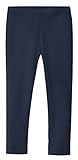
Overview: City Threads offers an organic solution for infants needing gentle clothing. These Navy leggings in size 3-6 months serve as versatile undergarments for dresses or standalone lounge wear. The 100% certified organic cotton construction targets environmentally conscious parents dealing with sensitive skin issues and sensory processing challenges in their babies.
What Makes It Stand Out: The GOTS-level commitment shows in the pesticide-free, insecticide-free, and fire-retardant-free production. Non-toxic coloring eliminates chemical exposure risks. The baby rib weave provides natural stretch without synthetic spandex, maintaining pure organic integrity. Made-in-USA status ensures oversight of these strict standards. The super-soft feel addresses SPD needs without compromising organic principles.
Value for Money: At $22.98, these are reasonably priced for certified organic, American-made baby wear. Non-organic leggings cost $12-18, while organic imports run $20-25. The domestic production and rigorous certification make this a fair premium for parents prioritizing purity and local manufacturing.
Strengths and Weaknesses: Strengths include genuine organic certification, completely non-toxic production, sensory-friendly soft weave, American manufacturing, and versatile styling. Weaknesses are limited color options (only Navy shown), potentially higher cost than conventional cotton, and the baby rib weave may be less robust than interlock knits for rough play.
Bottom Line: For parents seeking the purest organic option for sensitive infants, these leggings deliver exceptional quality. The thoughtful construction justifies the modest premium over conventional alternatives, making them a top choice for eco-conscious families.
10. Made in USA Girls’ Soft Briefs Underwear in Soft Cotton - Toddler Training Underpants Panties - Perfect for Sensitive Skins SPD Sensory Friendly Cloting 3-Pack, Bubblegum/Purple/Turquoise, 4

Overview: This three-pack of training briefs addresses the specific needs of toddlers transitioning from diapers, sized for age 4. The Bubblegum/Purple/Turquoise color assortment adds fun to a functional garment. Made from 100% cotton in the USA, these target children with sensory sensitivities during the challenging potty-training phase.
What Makes It Stand Out: The training panty design bridges the gap between diapers and regular underwear, providing slight stretch for active toddlers while maintaining cotton’s breathability. The three-pack offers immediate rotation convenience. Sensory-friendly construction eliminates irritating tags and seams. The multi-color pack encourages child participation in dressing. American manufacturing ensures consistent quality across all pairs.
Value for Money: At $24.97 for three, each pair costs approximately $8.32. Standard toddler underwear packs run $10-18 for 6-8 pairs, but lack the training features and sensory considerations. The specialized design and domestic production justify the higher per-unit cost for this developmental stage.
Strengths and Weaknesses: Strengths include training-appropriate design, 100% cotton breathability, three-pack convenience, SPD-friendly construction, and durable American-made quality. Weaknesses are limited size transparency (size 4 may vary by brand), bold colors may show stains more readily, and the price is steep compared to bulk packs of regular toddler underwear.
Bottom Line: These training briefs excel for toddlers with sensory needs. While not the cheapest option, their specialized design and quality materials make them worth the investment during the challenging potty-training phase when comfort is paramount.
Understanding Sensory Processing Challenges in Toddlers
Sensory processing isn’t a one-size-fits-all diagnosis. It exists on a spectrum, from children who are mildly sensitive to certain textures to those with diagnosed Sensory Processing Disorder (SPD) or autism spectrum disorder who experience profound tactile defensiveness. What unites all sensory-sensitive toddlers is their heightened response to sensory input that most people filter out automatically.
The Tactile System: Why Fabric Matters Most
The tactile system is your child’s first line of defense and discovery. For toddlers with sensory sensitivities, the wrong fabric doesn’t just feel uncomfortable—it can activate their fight-or-flight response. The proprioceptive and vestibular systems also play crucial roles here; tight clothing might provide calming deep pressure for one child while feeling suffocating to another. This is why understanding your child’s specific sensory profile is the foundation of making smart clothing choices.
Common Clothing Triggers for Sensitive Kids
Beyond the obvious culprits like scratchy tags and stiff denim, sensory triggers can be surprisingly subtle. The direction of fabric nap (how the fibers lie), the type of dye used, even the temperature regulation properties of a material can cause distress. Some toddlers react to static cling, others to the way fabric moves against their skin during play. Leggings that bunch behind the knees or waistbands that twist during movement create unpredictable sensory input that can be more distressing than consistent pressure.
Why Bottoms and Leggings Present Unique Challenges
While sensory-friendly tops are important, bottoms interact with your toddler’s body in more complex ways. They move with every step, crawl, and squat. They must accommodate diapers or training pants while maintaining consistent contact with the skin. The waistband sits at a critical point where many children seek or avoid pressure, and the leg area experiences constant friction and movement.
The Difference Between Top and Bottom Sensory Input
Tops primarily provide static input—they rest on the shoulders and torso with relatively little movement. Bottoms, however, are dynamic. Every time your toddler bends their legs, the fabric stretches and contracts. When they sit, the material compresses differently. This constant change means that minor irritations become magnified. A slightly rough seam on a sleeve might go unnoticed, but that same seam running down the inner thigh gets activated hundreds of times per day.
Fabric Selection: The Non-Negotiable Foundation
The fabric composition of leggings and bottoms isn’t just about softness—it’s about how the material behaves across hours of wear, multiple washes, and various activities. The wrong choice can sabotage even the most thoughtful design.
Natural Fibers vs. Performance Blends
Pure cotton feels familiar and breathable but lacks the recovery needed for active toddlers, often becoming baggy and creating new sensory issues through excess fabric. Synthetic blends with spandex or elastane provide crucial stretch and shape retention but can trap heat and feel “plasticky” to sensitive touch. The sweet spot often lies in natural-synthetic blends that combine the breathability of cotton or bamboo with the performance of a small percentage of spandex—typically 5-10%.
Why Bamboo and Modal Are Sensory Parent Favorites
Bamboo viscose and modal fabrics have gained cult followings among sensory parents for good reason. These semi-synthetic fibers start with natural materials (bamboo pulp or beech tree cellulose) and undergo processing that creates exceptionally smooth, round fibers. The result is a fabric that drapes like silk, breathes better than cotton, and maintains its softness wash after wash. Crucially, these materials also have natural temperature-regulating properties, staying cooler in summer and warmer in winter—reducing thermal sensory triggers.
Cotton Quality Grades and Toddler Skin
Not all cotton deserves its reputation as the ultimate soft fabric. The length of the cotton fiber (staple) determines how smooth the final fabric feels. Long-staple cottons like Pima or Supima create smoother yarns with fewer fiber ends poking out, resulting in less irritation. Organic cotton matters less for softness than for the absence of pesticide residues that can trigger skin reactions in chemically sensitive children. The knit construction—whether interlock, jersey, or rib—also dramatically changes the hand feel.
Fabric Weight: Finding the Sweet Spot
Fabric weight, measured in GSM (grams per square meter), directly impacts sensory experience. Lightweight fabrics (under 180 GSM) can feel insubstantial and may cling statically, while heavyweight options (over 250 GSM) can feel restrictive and hot. For sensory-sensitive toddlers, mid-weight fabrics (180-220 GSM) typically provide the best balance—substantial enough to feel secure without being heavy, with enough body to drape smoothly without clinging.
Seams, Tags, and Stitching: Micro-Irritants That Cause Macro-Meltdowns
The construction details that manufacturers prioritize for durability often directly conflict with sensory needs. Understanding these elements helps you identify truly sensory-friendly design.
Flat-Seam and Seamless Construction
Traditional overlock seams create ridges that can dig into sensitive skin, especially in high-flex areas like the inner thigh and behind the knees. Flat-seam or flatlock stitching lays the seam flat against the fabric, creating a smooth, low-profile join. True seamless construction, while ideal, is rare in bottoms due to structural requirements. When evaluating seams, look for thread that’s the same fiber content as the fabric—cotton thread on cotton fabric reduces texture contrast.
The Tagless Revolution and Printed Label Pros/Cons
Tagless labels solved one problem but created another. While eliminating physical tags, some printed labels use stiff, rubbery inks that create a different sensory issue. The best sensory-friendly bottoms use water-based, flexible inks for printed labels, or place minimal information on the outside of the waistband. Some brands use heat-transfer labels that become part of the fabric itself, though these can crack over time and create new texture issues.
Waistband Engineering: The Critical Comfort Zone
The waistband represents the most concentrated sensory input area in any bottom. It’s where pressure is most consistent and where fit issues manifest most dramatically.
Elastic Types and Tension Levels
Not all elastic is created equal. Braided elastic, common in budget leggings, can roll and twist inside its casing, creating unpredictable pressure points. Knit elastic maintains its width better and distributes pressure more evenly. The tension—how tightly the elastic stretches—matters enormously. Too loose, and the bottoms slip down, creating distracting movement; too tight, and it triggers a sensory defensive response. Look for waistbands that specify “soft tension” or “comfort stretch.”
Wide vs. Contoured Waistbands
Wide waistbands (1.5 inches or more) distribute pressure across a larger surface area, often feeling more secure and less dig-in prone. However, some toddlers find wide waistbands too hot or restrictive. Contoured waistbands that curve to follow the natural shape of a toddler’s belly provide more even contact than straight-cut bands, reducing pressure points at the front and back. For diaper-wearing toddlers, a slight dip in the front contour accommodates bulk without compromising fit.
Drawstrings: Hidden Hazards and Benefits
Drawstrings offer adjustability but introduce new sensory challenges. The knot can press against the belly, and the string itself can feel tickly or irritating. If you choose drawstrings, look for flat, soft cords that can be fully removed for washing and sleeping. Better yet, opt for encased elastic with a faux drawstring detail—providing the visual interest without the functional drawbacks.
Compression Waistbands: Deep Pressure Input
Some sensory-seeking toddlers benefit from compression waistbands that provide firm, consistent pressure. These can be calming for children who crave proprioceptive input. However, for tactile-defensive children, this same pressure can feel suffocating. The key is matching the waistband pressure to your child’s sensory profile—observing whether they seek out tight hugs or resist any constriction provides crucial clues.
Fit Dynamics: Beyond the Size Chart
Standard sizing assumes typical body proportions and tolerance for fit variation. Sensory-sensitive toddlers require a more nuanced approach to sizing that accounts for their unique needs.
The Goldilocks Fit: Pressure Without Restriction
The ideal sensory-friendly fit feels secure without squeezing. You should be able to slide two fingers comfortably inside the waistband when it’s being worn. Leggings should have enough negative ease (stretching to fit smaller than their flat measurement) to move with the body without bagging, but not so much that they compress. Watch for “muffin top” at the waist or red marks on the legs—these indicate excessive pressure.
Accounting for Diapers and Potty Training Transitions
A bottom that fits perfectly over a diaper may become too loose during potty training, creating a different sensory problem through slippage. Conversely, bottoms sized for underwear may feel too tight when worn over a diaper. The solution is either maintaining two separate wardrobes during transition or choosing styles with enough stretch to accommodate both phases. Some brands specifically design “diaper-friendly” and “underwear-friendly” versions of the same style.
Growth Spurt Planning
Toddlers grow in unpredictable spurts, and leggings that fit perfectly one week can become too short the next, creating new sensory issues at the ankle or behind the knee. Buying with extra length (1-2 inches beyond current need) allows for growth without immediate fit issues. Cuffed leggings or those with extra-long ribbed cuffs that can be rolled up or down provide the most flexibility.
Length and Coverage Options
The length of leggings dramatically changes their sensory profile, affecting temperature regulation, friction points, and proprioceptive input.
Full-Length Leggings: Pros and Cons
Full-length leggings provide consistent sensory input from waist to ankle, which can be calming for children who benefit from full-leg proprioceptive input. They protect sensitive skin from environmental irritants and eliminate the sensation of air movement on legs. However, they can bunch behind knees when sitting or cause overheating. Look for styles with articulated knees or extra ease in the joint area to reduce bunching.
Capri and 7/8 Lengths for Transitional Seasons
These lengths end at the calf, eliminating the ankle friction point while providing more coverage than shorts. For toddlers who dislike the feeling of fabric on their feet or who remove socks constantly, these lengths solve multiple sensory issues. They also work well for children who fixate on asymmetry—seeing both legs end at the same visible point can be visually reassuring.
Shorts and Bike Shorts: Summer Sensory Solutions
In hot weather, bike shorts (mid-thigh length) can provide the security of leggings without the heat. The key is finding styles with wide, soft leg openings that don’t dig into tender thigh tissue. For extremely sensitive toddlers, consider “boy short” underwear-style lengths worn as outerwear—they provide minimal coverage with maximum comfort.
Color, Dye, and Visual Sensory Factors
While tactile input dominates sensory clothing concerns, visual and chemical sensitivities also play crucial roles in bottom selection.
Low-Stimulus Color Palettes
Bright, high-contrast patterns can be visually overstimulating for toddlers already struggling with sensory regulation. Solid colors in muted tones—soft blues, sage greens, warm grays—create less visual noise. Some children, however, find specific colors calming or organizing. Observing your child’s preference for certain hues in other contexts (toys, blankets) can guide color choices.
Print Scale and Visual Overwhelm
If you choose printed leggings, consider the scale of the pattern. Tiny, busy prints can be visually overwhelming, while large, simple motifs are often better tolerated. Directional prints (where all the images face one way) can cause distress if they appear “upside down” on one leg—a common issue with asymmetrical designs. All-over, non-directional patterns eliminate this problem.
Chemical Dye Sensitivities
Synthetic dyes, particularly azo dyes, can cause skin reactions in chemically sensitive children. Low-impact fiber reactive dyes bond more thoroughly to the fabric, leaving less free dye to irritate skin. Undyed or naturally dyed options, while limited in color range, eliminate this variable entirely. Some toddlers react specifically to black dyes, which require more saturated chemical loads.
Laundry and Longevity: Maintaining Sensory Properties
The softest leggings fresh from the store can become sensory nightmares after improper washing. The care routine is as important as the initial purchase.
Washing Protocols That Preserve Softness
Hard water minerals and harsh detergents deposit residues that make fabrics feel stiff and scratchy. Using a water softener or adding washing soda to hard water helps. Liquid detergents generally rinse cleaner than powders. Wash sensory bottoms inside-out to protect the outer surface from friction, and always use the gentle cycle. Cold water preserves elastic and prevents shrinkage that could alter fit.
Fabric Softener, Dryer Sheets, and Sensory Safety
While fabric softener seems like a solution for maintaining softness, it leaves a coating that can actually increase skin irritation and reduce fabric breathability. Dryer sheets contain fragrances and chemicals that trigger reactions in sensitive children. Instead, add 1/2 cup of white vinegar to the rinse cycle to naturally soften fibers and remove detergent residue. Wool dryer balls in the dryer help fluff fabrics without chemicals.
When to Retire a Pair
Even the best leggings have a sensory lifespan. When the elastic begins to degrade, creating uneven pressure, or when pilling becomes significant enough to change the fabric texture, it’s time to replace them. A good rule of thumb: if you notice your child suddenly refusing a previously loved pair, inspect it for subtle changes in texture, stretch, or seam integrity.
Budget Strategy: Smart Investment in Sensory Wardrobes
Sensory-friendly clothing often costs more, but strategic purchasing reduces overall expense while ensuring your child has what they need.
Cost-Per-Wear Philosophy for Growing Toddlers
A $30 pair of leggings worn 100 times costs $0.30 per wear—a better value than a $10 pair worn twice before being rejected. Track which styles your child actually wears to identify true value. Buying fewer, higher-quality pairs that meet sensory needs is more economical than a drawer full of “almost right” options that cause daily battles.
Splurge vs. Save Categories
Splurge on everyday leggings in neutral colors that will be worn multiple times per week. Save on specialty items like dress-up pants or seasonal shorts that get limited use. Invest most heavily in the transition sizes—when moving from 2T to 3T, for example—where fit changes most dramatically and sensory issues intensify.
Building a Functional Sensory-Friendly Bottom Collection
A strategic wardrobe minimizes decision fatigue for both parent and child while ensuring sensory needs are met across all activities.
The 5-Pair Wardrobe Formula
Most toddlers need only five well-chosen bottoms:
- 2 pairs of everyday neutral leggings
- 1 pair of bike shorts for warm days
- 1 pair of softer, looser “cozy” pants for relaxed days
- 1 pair of slightly dressier but still comfortable bottoms
This limited selection reduces overwhelming choices while covering all bases. Keep a “sensory emergency” pair in your car or bag for mid-day changes when an unexpected issue arises.
Transitioning Between Seasons and Sizes
Introduce new leggings gradually, washing them with a well-loved item to transfer familiar scents. When transitioning sizes, cut the tags off the old favorite and sew it into the new pair—familiar labels can provide unexpected comfort. For seasonal transitions, introduce one new length while keeping one familiar length available, allowing your child to choose based on daily sensory needs.
Warning Signs: When Current Choices Aren’t Working
Your toddler may not have the vocabulary to explain why their pants feel wrong, but their behavior will tell you.
Behavioral Cues That Signal Clothing Distress
Watch for subtle signs: tugging at waistbands, walking stiff-legged, refusing to sit, or developing a sudden interest in being naked. Regressive behaviors like increased meltdowns during dressing or bathroom accidents can indicate that waistband pressure is interfering with interoception (the sense of internal body states). If your child becomes unusually clumsy or stops climbing, restrictive leggings might be limiting their proprioceptive feedback. Trust your instincts—if you suspect the pants, you’re probably right.
Frequently Asked Questions
How many pairs of sensory-friendly leggings does my toddler really need?
Most families find that 3-5 pairs in regular rotation prevents laundry stress while allowing for favorites. Focus on quality over quantity—a smaller wardrobe of perfect leggings beats a drawer full of “almost right” options that cause daily battles.
What should I do if my child refuses to wear anything but one specific pair?
First, buy duplicates of that pair in the next size up immediately. Then, analyze what makes that pair work: Is it the waistband tension? The fabric weight? The seam placement? Use these observations to guide future purchases. Gradually introduce new options by having your child “help” wash the favorites, building positive associations with similar items.
Are seamless leggings worth the higher price?
For children with extreme tactile defensiveness, truly seamless leggings (with minimal seaming) can be transformative. However, many “seamless” styles still have waistband seams and inner leg joins. Evaluate whether your child’s sensitivity is primarily seam-focused before investing. Often, flat-seam construction provides 90% of the benefit at a lower cost.
How can I tell if leggings are too tight or too loose for my sensory-sensitive child?
Look for red marks that last more than 10 minutes after removal—that’s too tight. For too loose, watch if your child is constantly hiking them up or if the fabric bunches and twists during movement. The “two-finger test” at the waistband should feel snug but not compressive, and the leggings should recover their shape immediately after being stretched.
Do sensory-friendly leggings work for potty training?
Absolutely, but choose styles with slightly looser waistbands that can be pushed down quickly. Avoid heavy compression during this phase, as it can interfere with the interoceptive awareness needed to recognize bodily cues. Some brands make specific “training leggings” with extra stretch in the waist and hips.
What about leggings for toddlers who are sensory seekers versus sensory avoiders?
Sensory seekers often benefit from compression leggings with firmer waistbands and snugger fits that provide calming proprioceptive input. Sensory avoiders need the opposite: looser fits, softer fabrics, minimal pressure points. Some children are both—seeking pressure in some areas while avoiding it in others—requiring strategic choices like compression waistbands with looser leg fits.
How do I handle sensory-friendly bottoms for special occasions?
This is where compromise becomes essential. Look for “dressy leggings” in ponte knit or double-knit fabrics that appear more formal but maintain stretch and softness. Consider bringing a “comfort backup” pair to change into after photos. Some families use sensory-friendly leggings as a base layer under dressier pants, removing the outer layer when the child becomes overwhelmed.
Will my child outgrow the need for sensory-friendly clothing?
Many children become less sensitive as their nervous systems mature, typically showing improvement between ages 4-6. However, some will continue to benefit from sensory-friendly design into adulthood. The goal isn’t to “fix” their sensitivity but to support their comfort while their system develops. Even if sensitivities decrease, the habit of prioritizing comfort often remains.
How do I convince relatives to buy appropriate sensory-friendly bottoms?
Create a specific “wish list” with links and detailed descriptions of what makes certain features work. Explain that these aren’t “picky preferences” but genuine needs, comparing it to buying the right size shoe. Some parents provide a “sensory clothing guide” to family members, or simply request gift cards to trusted sensory-friendly brands to maintain control over purchases.
What’s the best way to transition from summer shorts to fall leggings?
Start with capri-length leggings as a bridge, maintaining the familiar feeling of exposed calves while introducing leg coverage. Let your child wear them over shorts initially, then gradually transition to wearing them alone. Involve them in choosing fall colors or patterns to build excitement. Keep one pair of shorts available for “sensory choice days” during the transition period.