If you’ve ever witnessed a morning meltdown over a sock seam that “feels like a mountain” or watched a child turn rigid with distress at the thought of putting on tights, you know that clothing isn’t just fabric—it’s a daily sensory experience that can make or break someone’s entire day. For millions of children and adults with sensory processing differences, the wrong pair of socks isn’t a minor inconvenience; it’s a barrier to comfort, focus, and participation in everyday life. The rise of truly sensory-friendly seamless socks and tights represents more than a niche market trend—it’s a textile revolution that’s redefining what comfort means for neurodivergent individuals and anyone with tactile sensitivities.
This comprehensive guide cuts through the marketing noise to explore the science, engineering, and practical considerations behind genuinely sensory-friendly hosiery. Whether you’re a parent navigating your child’s sensory needs, an adult who’s spent decades tolerating discomfort, or an occupational therapist seeking evidence-based recommendations, we’ll walk you through everything from fiber selection to fit strategies, helping you make informed decisions that transform the simple act of getting dressed from a battle into a peaceful routine.
Top 10 Sensory-Friendly Seamless Socks
Detailed Product Reviews
1. Shinymoon 6 Pair Seamless Afo Interface Socks Sensory Seamless Interface Cotton Non Binding Afo Socks(M,White, Pink, Purple)

Overview: The Shinymoon 6 Pair Seamless AFO Interface Socks address a very specific need: providing comfort for individuals wearing ankle-foot orthosis braces who also struggle with sensory sensitivities. These socks feature a specialized heel-less, seamless design that prevents pressure points and skin irritation commonly caused by traditional socks interacting with brace hardware.
What Makes It Stand Out: Unlike standard sensory socks, these are explicitly designed for AFO interface use. The heel-less construction accommodates brace hardware while the seamless toe eliminates irritating lumps. The six-pair pack offers excellent variety with white, pink, and purple options, making daily rotation practical. The 95% cotton and 5% spandex blend provides necessary stretch while maintaining breathability for all-day wear.
Value for Money: At $15.49 for six pairs, you’re paying approximately $2.58 per pair—exceptional value for a specialized medical-adjacent product. Standard cotton socks cost similar amounts but lack the AFO-specific engineering. For families managing orthotic needs, this pricing represents significant savings over custom alternatives while delivering targeted functionality.
Strengths and Weaknesses: Strengths include the AFO-specific design, seamless construction, breathable cotton-rich material, and color variety. The six-pair quantity ensures a full week’s supply. Weaknesses involve limited color options beyond the three provided, potential sizing challenges for non-standard foot shapes, and the heel-less design requiring adjustment for some users accustomed to traditional socks.
Bottom Line: These socks deliver targeted relief for AFO users with sensory challenges. If your child or patient needs interface socks that won’t cause meltdowns, Shinymoon offers an affordable, effective solution that prioritizes both medical functionality and sensory comfort.
2. Marchare Girls Seamless Crew Cotton Socks Kids Casual Socks School Socks Rainbow Stripes Color B 5 Pack 3-5 Years

Overview: Marchare’s Girls Seamless Crew Cotton Socks combine playful aesthetics with sensory-conscious design for preschool-aged children. This five-pack features vibrant rainbow stripes that appeal to young kids while maintaining the seamless construction necessary for sensitive feet during critical developmental years.
What Makes It Stand Out: The cheerful rainbow stripe pattern sets these apart from clinical-looking sensory socks, encouraging children to dress independently. Made from combed cotton, they offer superior softness compared to regular cotton. The snug tube design prevents compression marks while staying securely in place. These work equally well for school, sports, and special occasions, making them versatile wardrobe staples that children actually want to wear.
Value for Money: Priced at $13.99 for five pairs ($2.80 per pair), these sit in the mid-range for children’s socks. The combed cotton quality and seamless construction justify the slight premium over basic socks. Considering they double as both everyday wear and gift-worthy items, the value proposition strengthens for parents seeking multi-purpose purchases.
Strengths and Weaknesses: Strengths include the kid-friendly rainbow design, premium combed cotton material, true seamless toe construction, and versatility across activities. The 24-hour customer service promise adds confidence. Weaknesses are the limited age range (3-5 years) in this listing, and the bright pattern may not suit uniform requirements or children who prefer solid colors.
Bottom Line: For toddlers and preschoolers who need sensory-friendly footwear without sacrificing fun, these Marchare socks hit the mark. They successfully blend therapeutic comfort with age-appropriate style at a reasonable price point that parents appreciate.
3. SmartKnitKIDS Sensory-Friendly Sensitivity Seamless Socks - 3 Pack (Black Charcoal & White, Medium)

Overview: SmartKnitKIDS Sensory-Friendly Socks represent the premium tier of therapeutic footwear for children with severe tactile sensitivities. These USA-made socks employ patented knitting technology to create a completely seamless experience from toe to top, addressing the most challenging sensory issues.
What Makes It Stand Out: The “truly seamless” construction—knit like a cocoon from toe up—eliminates all lumps, bumps, and pressure points. The innovative no-heel design allows children to put them on independently while extending wearable life as feet grow. High-tech moisture-wicking fibers actively combat odor and maintain dryness. The non-binding Halo Top prevents ankle irritation without sliding down during active play.
Value for Money: At $28.75 for three pairs ($9.58 per pair), these are significantly more expensive than competitors. However, for children with extreme sensory aversions who refuse to wear standard socks, this investment often pays dividends in reduced morning stress and increased independence. The durable construction and growth-friendly design offset the initial cost over time.
Strengths and Weaknesses: Strengths include the genuinely seamless construction, no-heel adaptability, advanced moisture management, non-binding top, and American manufacturing quality. Critical weaknesses: the high price point and explicit warning that they’re NOT suitable for AFO braces, limiting their audience. Sizing requires careful measurement due to the unique design.
Bottom Line: For families battling severe sock-related sensory meltdowns, SmartKnitKIDS offers a transformative solution. The premium price reflects genuine innovation and quality. If your budget allows and AFO compatibility isn’t needed, these are worth every penny for the peace of mind they deliver.
4. Marchare Girls Seamless Socks Rainbow Stripes Cotton Socks Kids 6-8 Years School Crew Socks 5 Pack

Overview: Marchare’s Rainbow Stripes Crew Socks for 6-8 years extend the popular sensory-friendly design to school-aged children. This five-pack maintains the seamless comfort younger kids love while accommodating growing feet and evolving style preferences during elementary school years.
What Makes It Stand Out: These socks preserve the beloved rainbow stripe pattern that makes getting dressed fun while scaling up the size for older children. The premium combed cotton construction continues to deliver softness and breathability essential for sensitive feet. The seamless toe design prevents irritation during long school days, and the moisture-wicking properties keep feet comfortable through active play and sports.
Value for Money: At $13.59 for five pairs ($2.72 per pair), this represents slightly better value than the toddler version. The extended durability needed for older children’s activities makes the price competitive. Parents appreciate not having to switch brands as children grow, maintaining consistency for kids with rigid routine preferences who resist change.
Strengths and Weaknesses: Strengths include the trusted seamless design, kid-approved rainbow aesthetics, combed cotton quality, and excellent customer service commitment. The size range properly accommodates elementary school feet. Weaknesses involve the persistent bright pattern that may clash with strict school uniform policies, and some older children might find the rainbow design too “babyish” as they mature toward more subdued styles.
Bottom Line: Marchare successfully scales their winning formula for older children. If your sensory-sensitive child has outgrown the toddler size but still loves the rainbow design, these socks provide continuity of comfort and familiarity at a fair price that respects both developmental needs and family budgets.
5. Kids Low Cut Socks Boys Seamless Ankle Socks Girls Breathable Cotton Toddler Short Sock 6-8 Years Kids Children 5 Pairs (White, M)

Overview: These Kids Low Cut Ankle Socks offer a budget-conscious entry point into sensory-friendly footwear. Designed for children with mild tactile sensitivities, they feature a seamless toe construction in a versatile low-cut silhouette suitable for sneakers, school shoes, and athletic activities.
What Makes It Stand Out: The sub-$8 price point for five pairs makes these the most economical option for families exploring sensory socks without committing to premium prices. The low-cut design works with virtually any shoe style, from athletic sneakers to casual canvas shoes. The wide size range—spanning toddler to adult—means siblings or even parents can wear them, simplifying family sock drawers and bulk purchasing.
Value for Money: At $7.99 for five pairs ($1.60 per pair), these deliver exceptional value. While not fully seamless like premium options, the seamless toe addresses the most common irritation point. For families needing multiple pairs for school, sports, and daily wear, the affordability allows bulk purchasing without financial strain, making them practical for growing children who outgrow socks quickly.
Strengths and Weaknesses: Strengths include exceptional affordability, seamless toe design, versatile low-cut style, wide size inclusivity, and year-round appropriate thickness. Weaknesses are the lower cotton content (80%) compared to competitors, the fact that only the toe is seamless (not the whole sock), and the basic white color may stain easily with active children’s wear.
Bottom Line: For children with mild sensory issues or families on tight budgets, these socks provide targeted relief where it matters most. They cannot match premium fully-seamless options for severe sensitivities, but they deliver practical comfort at an accessible price point that makes them worth considering for everyday wear.
6. Jefferies Socks Big Boys’ Seamless-Toe Quarter Athletic Socks (Pack of 6)

Overview: The Jefferies Socks Big Boys’ Seamless-Toe Quarter Athletic Socks deliver targeted comfort for active children with sensitive feet. This six-pack of quarter-length sport socks features a smooth toe seam that minimizes irritation and bulk, addressing common complaints about traditional sock construction. Designed for growing kids who need reliable footwear for sports and daily activities, these socks combine practicality with sensory-friendly features.
What Makes It Stand Out: The hallmark feature is the truly seamless toe construction, which eliminates the bulky seams that can cause discomfort and blisters. The half-cushion footbed provides strategic impact protection without adding excessive bulk, while the quarter ribbed stay-up top ensures the socks remain in place during vigorous activity. The cotton-rich blend balances softness with durability, making these socks suitable for repeated wear and washing.
Value for Money: At $17.99 for six pairs, these socks cost approximately $3 per pair—competitive with standard athletic socks while offering specialized seamless construction. Parents of children with sensory sensitivities often pay premiums for comfort features, making this pack a financially sensible choice for outfitting a growing child throughout the week.
Strengths and Weaknesses: Strengths include the irritation-free seamless toe, comfortable stay-up top, adequate cushioning for sports, and durable cotton blend construction. The quarter-length design provides good ankle coverage and protection. Weaknesses may include limited color options for those seeking variety, and the quarter length might feel too warm during hot summer months. Some children may prefer a lower profile for certain shoe types.
Bottom Line: These socks excel for active boys needing sensory-friendly athletic wear. The seamless toe design solves a genuine problem, while the six-pack quantity ensures you’re not constantly laundering socks. A solid investment for parents prioritizing comfort and durability.
7. SmartKnitKIDS Seamless Sensitivity Socks for Sensory Issues - Made in USA

Overview: SmartKnitKIDS addresses one of parenting’s most frustrating challenges: morning meltdowns over sock discomfort. These therapeutic socks are specifically engineered for children with sensory processing issues, autism, or tactile defensiveness. Unlike traditional socks with flat seams, these are knit entirely without seams from toe to top, creating a completely smooth interior surface.
What Makes It Stand Out: The revolutionary “caterpillar” knitting technique builds the sock from the toe upward, eliminating all seams, lumps, and bumps. The unique no-heel design allows children to put them on independently without worrying about proper orientation while ensuring a consistent fit as feet grow. The form-fitting stretchy yarn prevents wrinkling and bunching—a common trigger for sensory discomfort. The non-binding Halo Top avoids pressure marks, while high-tech fibers maintain dryness and prevent odor.
Value for Money: At $11.25 per pair, these represent a significant premium over conventional socks. However, for families managing sensory challenges, this cost is justified by the therapeutic value and reduced daily stress. Comparable medical-grade seamless socks often cost $15-20, making these relatively accessible for a specialized product.
Strengths and Weaknesses: The complete seam-free construction is unparalleled for sensitive feet. The no-heel design simplifies dressing and extends usability. The moisture-wicking properties combat foot odor effectively. However, the single-pair price point makes outfitting a child for a full week expensive. The no-heel appearance may seem unusual, and the tight fit might not suit children who prefer looser socks.
Bottom Line: For children with significant sensory sensitivities, these socks are transformative. While costly, the improvement in daily routines and reduction in meltdowns makes them invaluable. Purchase one pair to test before committing to multiple sets.
8. Sensory Seamless Socks For Kids Viscose Bamboo No Seam Toe Girls School Uniform Sock 3-6 Pk
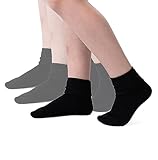
Overview: These sensory-friendly socks combine natural bamboo viscose with seamless construction to create a premium option for girls requiring school uniform compliance and foot comfort. The hand-linked seamless toe eliminates irritating seams, while bamboo’s inherent properties address common concerns like sweat and odor. Available in a full spectrum of uniform-approved colors, these socks cater to both institutional requirements and sensitive feet.
What Makes It Stand Out: The viscose bamboo fiber offers exceptional breathability and moisture management, naturally reducing bacteria growth and eliminating stinky feet. The hand-linked seamless toe creates a truly smooth finish that even the most tactile-sensitive children cannot detect. The extensive color range—including black, navy, burgundy, and beige—ensures compatibility with virtually any school uniform policy. The turn-cuff design adds a dressy appearance while maintaining practicality.
Value for Money: At $17.45 per pack, the value depends on whether you receive 3 or 6 pairs. For three pairs, the cost approaches $5.82 per pair—a premium justified by bamboo’s benefits and seamless construction. For six pairs, the price drops to under $3 per pair, representing excellent value for specialized socks. This ambiguity requires clarification before purchase.
Strengths and Weaknesses: Bamboo viscose provides superior softness, temperature regulation, and odor resistance compared to cotton. The seamless toe and comprehensive sizing (from toddler to young adult) serve families long-term. However, the care instructions—cold water wash and hang dry—demand more effort than standard socks. The material may show wear faster than synthetic blends during high-intensity activities, and the price point is higher than basic cotton options.
Bottom Line: Ideal for parents seeking eco-friendly, sensory-friendly uniform socks. The bamboo construction justifies the premium for children struggling with foot discomfort or odor. Verify the pair count before ordering to ensure the price aligns with your budget.
9. Petit Minou Noodle Seamless-Toe Turkish Cotton Crew Socks - Cool Comfort 5-Pack Kids Socks (US, Age, 10 Years, 12 Years, Love)

Overview: Petit Minou delivers a stylish twist on everyday comfort with these Turkish cotton crew socks. The five-pack combines premium materials with playful aesthetics, featuring handpicked color palettes and stripe patterns that appeal to fashion-conscious kids. The seamless toe construction ensures irritation-free wear, while the crew length provides versatile coverage for sneakers, boots, and casual shoes.
What Makes It Stand Out: The use of premium Turkish cotton sets these apart from standard combed cotton socks, offering exceptional softness and breathability. The seamless toe eliminates friction points that cause blisters and discomfort. Each five-pack features thoughtfully coordinated colors with playful stripes, moving beyond basic whites and grays. The snug, stay-on fit is engineered for active children, preventing the socks from sliding down or bunching during play.
Value for Money: At $14.99 for five pairs, the cost per pair is approximately $3—competitive with mid-range socks while offering superior Turkish cotton construction. This pricing delivers premium material quality and design without the luxury markup, making it accessible for families seeking both comfort and style.
Strengths and Weaknesses: The Turkish cotton provides noticeable softness and durability through repeated washes. The seamless toe and stay-on fit address common complaints about crew socks. The fun color combinations encourage children to dress independently. However, the crew length may feel too warm in hot climates or with low-cut shoes. The stripe patterns, while stylish, may not comply with strict uniform dress codes. The title’s sizing notation is confusing and could be clearer.
Bottom Line: An excellent choice for parents seeking durable, comfortable socks that children will actually want to wear. The balance of premium materials, thoughtful design, and playful aesthetics makes these ideal for everyday use, though they may not suit formal uniform requirements.
10. Jefferies Socks Girls Boys Seamless Cushion School Sport Low Cut Socks 3 Pair Pack (as1, alpha, m, regular, White/Pink, Medium)
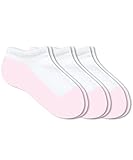
Overview: Jefferies offers a practical, budget-friendly solution for families needing versatile socks that transition seamlessly between classroom and playground. These low-cut ankle socks feature a sensory-friendly smooth toe and half-cushion footbed, making them suitable for children with mild sensitivity issues. The unisex color schemes appeal to both girls and boys, while the three-pair pack provides just enough rotation for a busy school week.
What Makes It Stand Out: The low-cut profile works perfectly with popular shoe styles like sneakers, loafers, and casual shoes without visible sock lines. The seamless toe construction minimizes irritation, while the half-cushion footbed provides targeted padding for high-impact activities like gym class and sports. The cotton-nylon blend balances softness with structural integrity, preventing premature wear at the heel and toe.
Value for Money: At $9.99 for three pairs, these socks cost approximately $3.33 per pair—among the most affordable options for seamless construction. This price point allows families to purchase multiple packs for different activities without significant financial strain, making them ideal for growing children who quickly outgrow footwear.
Strengths and Weaknesses: The primary strengths are affordability, versatile low-cut design, and adequate cushioning for moderate activity. The seamless toe addresses sensitivity without premium pricing. However, low-cut socks inherently risk slipping down during intense play, requiring occasional adjustment. The cotton-nylon blend, while durable, may not wick moisture as effectively as specialized synthetic materials. The three-pair quantity may be insufficient for families preferring less frequent laundry cycles.
Bottom Line: A smart choice for budget-conscious families needing dependable, multi-purpose socks. While not specialized for severe sensory issues, they offer enough comfort features for typical children at an unbeatable price. Perfect for stocking up on everyday school and sport socks without sacrificing quality.
Understanding Sensory Processing Challenges with Traditional Socks
The struggle with socks often runs deeper than simple preference. For individuals with sensory processing disorder (SPD), autism spectrum disorder (ASD), ADHD, or tactile defensiveness, the nervous system interprets ordinary tactile input as threatening or painful. A raised seam across the toes isn’t just noticeable—it’s akin to walking with a pebble in your shoe all day. The compression of elastic, the texture of synthetic fibers, and even the slight variation in thickness where fabric meets stitching can trigger a cascade of stress responses that impact concentration, emotional regulation, and physical coordination.
The Neuroscience Behind Tactile Sensitivity
Our skin contains millions of mechanoreceptors that detect pressure, vibration, and texture. In neurotypical individuals, the brain filters out irrelevant tactile information, allowing you to ignore the sensation of your clothing throughout the day. However, in those with sensory processing differences, this filtering mechanism works differently. The brain may fail to habituate to tactile input, meaning that seam, tag, or wrinkle remains as prominent at 3 PM as it was at 8 AM. Research from the STAR Institute suggests that up to 16% of school-aged children experience sensory processing challenges significant enough to affect daily functioning, with clothing sensitivity being one of the most commonly reported issues.
Common Irritants in Conventional Hosiery
Traditional sock manufacturing prioritizes speed and cost-efficiency over tactile comfort. The toe closure seam, created by a machine called a Rosso linker, leaves a bulky, raised ridge that presses against sensitive toe joints. Elastic bands at the ankle and calf create pressure points that can feel like a tourniquet. Even the heel pocket, designed to cup the foot, often includes extra fabric layers that bunch and shift. For tights, the situation compounds with waistbands that dig, gussets that chafe, and fabric that pulls unevenly across the toes when stretched.
What Makes a Sock or Tight “Sensory-Friendly”?
True sensory-friendly hosiery is engineered from the yarn up with neurodiversity in mind. It’s not simply a regular sock with the tag removed or a “soft” marketing claim. The design process involves rethinking every point of contact between the garment and skin, eliminating potential irritants while maintaining durability and function. This approach requires specialized circular knitting machines, custom yarn specifications, and quality control that prioritizes tactile consistency over production speed.
The Seamless Revolution: Why Every Stitch Matters
The term “seamless” in sensory-friendly contexts means more than the absence of a toe seam. It refers to a holistic construction method where the entire garment is knitted in one continuous process on a circular machine, eliminating side seams, heel seams, and sometimes even the need for elastic bands. The toe closure is achieved through advanced linking techniques that create a virtually flat join, or through 3D knitting that shapes the toe without any closure at all. This matters because every seam represents a potential failure point—not just structurally, but sensorially. Each stitch creates a micro-elevation that the nervous system may interpret as a threat.
Beyond Seams: Other Critical Design Elements
Sensory-friendly design extends to the very DNA of the fabric. The yarn twist, knit tension, and finishing treatments all influence the final tactile experience. Low-twist yarns feel softer against skin because they have fewer protruding fibers. A looser knit provides more breathability and less compression, while strategic compression zones can offer calming proprioceptive input without restricting circulation. The dyeing process matters too—low-impact, thorough dye penetration prevents the stiff, scratchy feel that can result from incomplete pigment binding.
Key Features to Look for in Sensory-Friendly Socks & Tights
When evaluating options, develop a critical eye for details that manufacturers might obscure in marketing language. The difference between a genuinely sensory-friendly garment and a merely “soft” one often lies in specifications that aren’t advertised on the front of the package.
Material Matters: Fabric Selection for Sensitive Skin
The fiber content determines 70% of the sensory experience. Merino wool, despite its reputation for warmth, is often ideal because its fibers are exceptionally fine (under 20 microns) and feature natural crimp that creates air pockets without bulk. Look for Superfine or Ultrafine grades specifically. Bamboo-derived viscose offers silky smoothness and moisture-wicking properties, though processing methods vary widely in environmental impact. For synthetic options, seek out microfiber nylon or polyester with a denier under 1.0—these create a peach-skin softness rather than a slippery feel. Cotton, while natural, can be problematic when blended with rougher fibers or when its natural waxes are stripped by harsh processing. The gold standard is often a blend of 70-80% superfine merino with 20-30% stretch fiber like Lycra, which provides recovery without grit.
Weight and Compression: Finding the Right Pressure
Proprioceptive input from gentle compression can be organizing and calming for many sensory seekers, but the line between calming and constricting is razor-thin. Look for terms like “light compression” (8-15 mmHg) rather than “firm.” The fabric weight, measured in grams per square meter (GSM), should fall between 150-200 for year-round wear—heavy enough to feel substantial but light enough to avoid trapping heat. Some designs incorporate graduated compression that’s tighter at the ankle and looser at the calf, mimicking the body’s natural circulation patterns. For those who are compression-sensitive, seek out “relaxed fit” styles with negative ease built into the pattern.
Waistband Wisdom: Comfort Without Constriction
For tights and higher socks, the waistband represents the largest surface area of potential distress. A true sensory-friendly waistband is at least 2 inches wide, distributes pressure evenly, and contains soft silicone gripper dots rather than harsh elastic. Some innovative designs use a double-layer folded construction with the elastic encased between fabric layers, eliminating skin contact entirely. The waistband should sit flat against the body without rolling, which creates pressure points. For children, adjustable waistbands with internal buttonhole elastic allow customization as bodies change, preventing the need to size up prematurely and deal with excess fabric.
Toe Construction: The Make-or-Break Detail
The toe area deserves special scrutiny because it’s where most sensory complaints originate. Beyond seamless closure, examine the toe pocket shape. Anatomical toe shaping that follows the natural curve of digits prevents fabric bunching. Some premium designs incorporate a “comfort toe” that’s slightly wider, allowing toes to splay naturally without fabric pulling across the nail bed. The fabric density should be consistent from toe to heel—some manufacturers add reinforcing that creates a noticeable thickness change, which defeats the purpose for sensory wearers.
The Importance of Proper Sizing in Sensory-Friendly Hosiery
Ill-fitting sensory-friendly socks are an oxymoron. Even the most expertly engineered garment becomes a source of distress if it’s too small, creating excessive tension and pressure, or too large, causing wrinkles and slippage that create unpredictable tactile input. Unlike conventional sizing, which often spans 3-4 shoe sizes per range, quality sensory-friendly brands offer more granular sizing—sometimes in single-size increments.
Growth Spurts and Sensory Needs: Kids’ Special Considerations
Children’s feet can grow a half-size every 2-3 months during peak growth periods. Buying with room to grow, standard advice for regular socks, backfires with sensory-friendly designs. The extra fabric creates bunching and alters the intended pressure distribution. Instead, purchase the correct current size and accept that you’ll replace them more frequently. Some families find success with a “sock subscription” model that delivers new sizes automatically. For tights, consider styles with extended sizing that accounts for both height and weight rather than age, as sensory kids often have different body proportions than neurotypical peers.
Style Options: From No-Shows to Over-the-Knee
Sensory needs don’t disappear when dress codes or fashion preferences demand specific silhouettes. Fortunately, the market has expanded beyond basic crew socks. No-show styles should feature silicone heel grips to prevent the dreaded “slippage and bunch” that creates unpredictable tactile input. Knee-high and over-the-knee options must maintain consistent fabric tension throughout the leg—some designs tighten at the calf, creating a tourniquet effect. For tights, consider footless leggings when full foot coverage isn’t required, as they eliminate toe concerns entirely while providing the same calming pressure.
Tights vs. Leggings: Making the Right Choice
The decision between tights and leggings often hinges on footwear requirements and sensory preferences. Tights provide uniform pressure from toe to waist, which some find organizing, while others experience it as overwhelming. Leggings offer more breathability and easier bathroom independence but may ride up or shift during activity. For school uniforms, some families layer leggings under pants and skip socks entirely, while others cut the feet off tights to create DIY leggings. Neither approach is ideal—the cut edge creates its own irritation—but it demonstrates the lengths families will go to for comfort.
Seasonal Considerations: Year-Round Comfort Solutions
Thermal regulation is intimately connected to sensory comfort. A child who overheats becomes more sensitive to tactile input—a phenomenon known as sensory overload. Summer-weight sensory socks should feature mesh ventilation zones that align with foot sweat patterns, typically across the top of the foot and ankle. Winter options can incorporate fine merino wool’s natural thermoregulating properties without adding bulk. The key is selecting seasonally appropriate weights rather than trying to make one pair work year-round. Some manufacturers offer “transitional” weights around 180 GSM that bridge seasons effectively.
The Hidden Dangers of “Sensory-Friendly” Marketing Claims
As awareness of sensory needs has grown, so has opportunistic marketing. Terms like “sensory-friendly,” “autism-approved,” and “seamless” have no legal definition or certification requirement. A product can claim to be seamless while still having a raised toe closure that’s been flattened through pressing rather than truly eliminated. Some brands add a soft coating to mask underlying construction issues that wash away after a few cycles.
Red Flags: What to Watch Out For
Be wary of products that list “sensory-friendly” as a bullet point without explaining the specific engineering. Vague claims like “super soft” or “gentle on skin” mean nothing without fiber specifications. Packaging that shows happy children but doesn’t display technical details suggests marketing over substance. True sensory-friendly manufacturers provide detailed construction information, including linking type, yarn micron count, and elastic denier. They understand their audience researches exhaustively before purchasing.
Certifications and Standards That Actually Matter
While no universal sensory-friendly certification exists, some third-party standards indicate quality and safety. OEKO-TEX Standard 100 ensures no harmful chemicals remain in the finished product, crucial for sensitive skin. The Woolmark certification guarantees merino quality and processing standards. For compression claims, FDA registration indicates legitimate medical-grade manufacturing. Some occupational therapy practices conduct independent testing and publish results—seek out these evidence-based recommendations rather than influencer endorsements.
How to Transition to Sensory-Friendly Socks Successfully
Even the perfect sensory-friendly sock can be rejected if introduced incorrectly. The nervous system forms strong associative memories, and a child who has experienced years of sock-related distress may exhibit anticipatory anxiety. A gradual, respectful approach honors these past experiences while building new, positive associations.
The Gradual Introduction Method
Begin by introducing the new socks during low-stress times, perhaps during weekend play at home rather than on a school morning. Allow the individual to explore the socks tactilely without pressure to wear them—rubbing them on arms, using them as puppet sleeves, or even sleeping with them under the pillow. Some families find success with a “sock buffet” approach: laying out 3-4 different sensory-friendly options and allowing choice, which restores a sense of control. Track responses in a simple log: which features seem most acceptable, what time of day works best, and any residual complaints.
Creating Positive Associations
Pair sock-wearing with preferred activities. If morning screen time is a motivator, socks become the ticket to tablet time. For older children and adults, frame the switch as an upgrade to “professional-grade comfort” rather than a response to a problem. Some find it helpful to involve the individual in the selection process, studying fiber content and construction details together—this intellectual engagement can override tactile defensiveness for some learners. Never force wear during the transition period; doing so can reinforce negative associations and set progress back weeks.
Care and Maintenance: Preserving Sensory Properties
The wrong washing routine can transform a perfect sensory sock into a scratchy, misshapen disappointment. The properties that make these garments comfortable—fine fibers, specific knit tensions, and minimal elastic—also make them vulnerable to damage from conventional laundry practices.
Washing Techniques That Maintain Softness
Always wash in cool water (30°C/86°F) using a gentle, fragrance-free detergent formulated for delicates or wool. Harsh detergents strip natural lanolin from merino fibers and leave residues that feel gritty. Turn socks inside-out to protect the outer surface from abrasion and allow thorough cleaning of skin-contact areas. Skip fabric softeners entirely—they coat fibers and reduce breathability. Instead, add a cup of white vinegar to the rinse cycle to naturally soften and remove detergent residue. Air dry flat or on a sock hanger; even low dryer heat degrades elastic and can cause shrinkage that alters fit.
When to Retire Your Sensory-Friendly Hosiery
These garments have a shorter lifespan than conventional socks, and wearing them past their prime defeats the purpose. Retire socks when the heel or toe shows thinning, when elastic begins to loosen and cause slippage, or after approximately 30-40 washes—whichever comes first. For tights, any run that extends beyond a few inches compromises pressure distribution and should signal replacement. Some families find it helpful to date socks with a fabric marker on the inner cuff to track usage and anticipate replacement needs.
Budget Considerations: Investing in Quality
Sticker shock is real when transitioning from $2 multipack socks to $15-30 sensory-friendly pairs. However, cost-per-wear analysis often reveals these specialized garments are more economical than they appear. A $20 pair worn twice weekly for six months costs about $0.38 per wear—cheaper than a daily coffee and infinitely more impactful on quality of life.
Cost-Per-Wear Analysis
Calculate the true expense by dividing purchase price by estimated wears before replacement. A cheap sensory sock that stretches out after 10 washes costs more per wear than a premium pair lasting 40 washes. Factor in hidden costs: cheap socks that cause distress may lead to school refusal, therapy sessions for dressing challenges, or the purchase of multiple “almost right” options that ultimately go unused. Many families find that investing in 5-7 high-quality pairs creates a reliable rotation that eliminates the need for backups.
When to Consult an Occupational Therapist
While seamless socks solve many tactile defensiveness issues, they aren’t a panacea. If dressing struggles persist despite high-quality options, or if sensory challenges extend beyond socks to multiple clothing items, food textures, or grooming tasks, professional evaluation is warranted. An occupational therapist can assess whether the issue is purely tactile or involves proprioceptive, vestibular, or interoceptive sensory systems. They may recommend a comprehensive sensory diet, compression garments beyond socks, or desensitization protocols that address root causes rather than just accommodations.
DIY Modifications: Temporary Solutions for Immediate Relief
Sometimes you need a stopgap while waiting for online orders or dealing with a sudden growth spurt. While not ideal, several modifications can make conventional socks more tolerable temporarily. Turn socks inside-out so the smoother knit faces inward and seams face outward. Carefully snip the elastic at the top of the cuff and replace it with soft ribbon threaded through the channel. For toe seams, use a seam ripper to open the closure, then hand-sew it flat using a whipstitch with fine thread. These modifications buy time but rarely provide lasting comfort—they’re bridges, not destinations.
The Future of Sensory-Friendly Hosiery Innovation
The sensory-friendly clothing market is driving innovation that benefits all consumers. 3D knitting technology, originally developed for athletic performance wear, now creates anatomically shaped socks with zero waste and zero seams. Smart textiles embedded with temperature-regulating phase-change materials respond to body heat, preventing the overheating that exacerbates sensory distress. Some manufacturers are experimenting with probiotic fabric finishes that maintain skin microbiome health, reducing irritation and odor without chemical treatments.
Emerging Technologies in Comfort Wear
Biometric knitting uses body scanning data to create truly custom-fit socks that account for individual foot shape, arch height, and pressure preferences. While currently expensive, this technology is becoming more accessible. Another promising development is adaptive compression that responds to movement—firm during activity for support, then relaxing during rest to prevent constriction. As mainstream brands recognize the universal appeal of comfort engineering, sensory-friendly features are being integrated into everyday lines, reducing stigma and increasing availability.
Frequently Asked Questions
What’s the real difference between “seamless” and “smooth seam” socks?
“Seamless” should mean a sock knitted in one continuous process with no closure seam at all, while “smooth seam” typically refers to a traditional seamed toe that’s been pressed or treated to lie flatter. The latter often reverts to a raised ridge after washing and never achieves true seamless comfort. Always check the product description for specific linking technology—true seamless socks will mention “hand-linked toe,” “zero seam closure,” or “3D knitted toe.”
Can adults with sensory issues benefit from these socks, or are they just for kids?
Absolutely. While marketing often targets parents, tactile sensitivity doesn’t disappear with age. Many adults with autism, SPD, fibromyalgia, or diabetes-related neuropathy find life-changing relief in properly engineered seamless socks. Adult sizing is increasingly available, and some find that the investment in professional-grade comfort transforms their workday and reduces sensory fatigue. The principles of fiber quality, seamless construction, and appropriate compression apply regardless of age.
How many pairs of sensory-friendly socks should I buy to start?
Begin with three pairs in the same style to establish a consistent baseline. This allows for a proper rotation (wear, wash, rest) while limiting investment if the style doesn’t work out. Once you’ve identified a successful brand and model, expand to 5-7 pairs to cover a full week plus laundry buffer. For children, buy the current size plus one size up if you’re close to a growth milestone, but avoid buying multiple sizes ahead.
Why are sensory-friendly socks so much more expensive than regular socks?
The price reflects specialized machinery that knits at slower speeds for quality, premium fine-micron fibers that cost 3-5 times more than standard cotton, and rigorous quality control that rejects imperfect pairs. Small production runs and ethical manufacturing also contribute. Consider that a conventional sock might take 3 minutes to produce, while a true seamless sock can require 12-15 minutes of machine time. You’re paying for engineering, not just materials.
My child still complains even after switching to seamless socks. What now?
First, investigate other variables: are the socks the correct size? Has the waistband elastic twisted? Is there residual detergent buildup? Sometimes the issue isn’t the sock but the shoe—tight toe boxes or rough interiors can cause discomfort that gets blamed on socks. Consider whether the complaint is truly tactile or if it’s become a behavioral pattern. If concerns persist, document specific complaints (location, quality of sensation, timing) and consult an occupational therapist for a full sensory evaluation.
Can sensory-friendly socks help with conditions other than autism or SPD?
Yes. People with eczema and psoriasis benefit from seamless designs that don’t irritate lesions. Those with diabetes-related neuropathy need non-binding tops that don’t restrict circulation. Individuals recovering from foot surgery or dealing with arthritis appreciate the lack of pressure points. Even athletes without diagnosed sensory issues report that seamless socks reduce blisters and hot spots. The ergonomic benefits are universal, though the sensory relief is most dramatic for those with tactile defensiveness.
How can I tell if my child’s sock complaints are truly sensory or just a behavior issue?
Sensory-based complaints are specific, consistent, and urgent. A child will use vivid language (“it feels like fire,” “the line is stabbing my toes”) and show physical signs of distress like pulling at the socks, walking on heels to avoid toe pressure, or developing red marks. Behavioral resistance is often vague (“I don’t want to”) and inconsistent—complaints disappear when the child is distracted or when wearing the “special” socks they like. True sensory issues persist across settings and times of day. Keep a log for two weeks to identify patterns.
What’s the best way to test a new sensory-friendly sock before committing to multiple pairs?
Perform a “wear test” during a low-demand time, like weekend lounging, for 30-60 minutes. Have the wearer focus on how the sock feels when putting it on, after 15 minutes, and when removing it. Check for red marks immediately after removal that fade within 5 minutes (normal) versus lasting indentations (concerning). For children, incorporate the sock into a preferred activity to separate the tactile experience from behavioral resistance. Wash the test pair once and retest—some issues only appear after laundering reveals construction weaknesses.
Do sensory-friendly socks last as long as conventional socks?
Generally, they have a shorter lifespan due to finer fibers and construction that prioritizes softness over durability. Expect 6-12 months of regular wear before replacement, compared to 1-2 years for heavy-duty cotton socks. However, proper care significantly extends life. The cost-per-wear often equals out because you need fewer pairs—when socks are truly comfortable, you don’t buy multiple “almost right” options hoping one will work. Some premium brands offer repair services for early failures, standing behind their construction quality.
Are there eco-friendly options that are also sensory-friendly?
Yes, but they require careful vetting. Organic cotton, while eco-friendly, often has a rougher hand-feel than conventional cotton unless it’s combed and ring-spun. Look for GOTS-certified organic merino wool, which ensures both sustainable farming and non-toxic processing. Some brands use recycled nylon from fishing nets, which can be just as soft as virgin fiber when properly processed. Be cautious of bamboo marketing—most “bamboo” textiles are actually viscose rayon processed with harsh chemicals. True eco-friendly sensory options will be transparent about their entire supply chain, from fiber source to finishing treatments.